


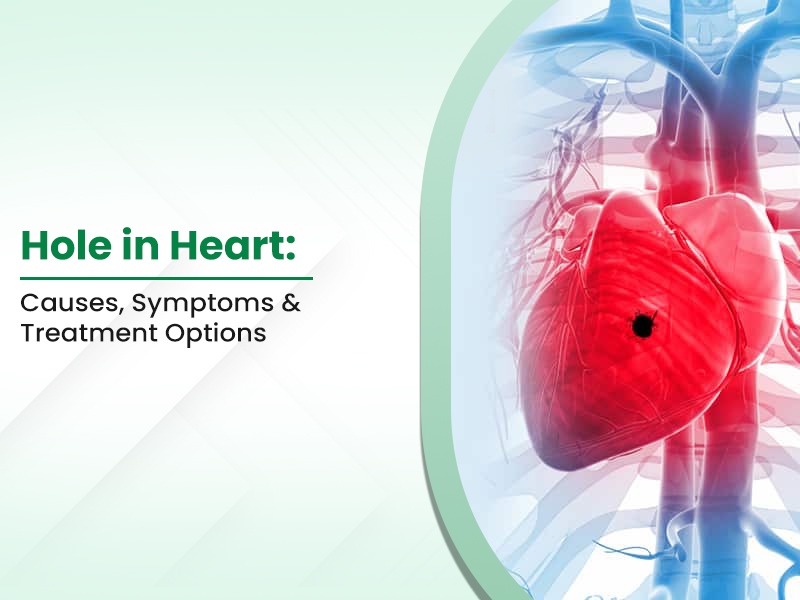
Hole in Heart: Causes, Symptoms & Treatment Options
A hole in the heart is a type of congenital heart condition that affects how blood flows through the heart chambers. According to clinical data, nearly 70 percent of babies born with a heart hole survive into adulthood, especially when the condition is diagnosed and treated early. With advancements in cardiac imaging and treatment at a leading heart hospital in Ghaziabad, early detection and management have become safer and more effective than ever. This guide explains the causes, symptoms, diagnosis, and modern treatment options for a hole in the heart.
What Is a Hole in the Heart?
A “hole in the heart” means there is a hole in the wall that divides the heart’s chambers. This hole allows oxygen-rich blood to mix with oxygen-poor blood, which can strain the heart and lungs over time. The condition is present from birth in most cases, although smaller defects may go unnoticed until age. Many people simply refer to this disease as a hole in the heart, but medically, it includes several distinct defects based on location and size.
What Are the Types of Holes in the Heart?
Heart holes can occur in different forms, and each one affects a different chamber of the atria and ventricles. Each acts differently and needs specific monitoring.
- Foramen Ovale Patent (PFO): A small opening found in all fetuses before birth. In adults, about 20% of the time, it doesn’t close on its own and stays open.
- Atrial Septal Defect (ASD): A gap in the upper parts of the heart. Symptoms might not show up until later in life.
- Septal Defect in the Ventricle (VSD): A hole between the lower chambers. Larger defects often cause symptoms in childhood.
The best cardiologist in Indirapuram clinic typically classifies the defect after imaging to guide treatment decisions.
What Causes a Hole in the Heart?
The exact cause remains unknown in most cases. Genetics and environmental factors both have an effect. Doctors explain what causes a hole in the heart in adults by linking it to congenital defects that stayed undetected during childhood. Certain risk factors increase the chance of developing heart holes, including:
- A history of congenital heart disease in the family
- Maternal diabetes or viral illnesses during pregnancy
- Being exposed to certain drugs or chemicals
- Smoking or alcohol use during pregnancy
What Symptoms May Occur in a Person with a Hole in the Heart?
The type and size of the flaw affect the symptoms. Small holes might not have any signs. Every person with this condition usually experiences:
- Shortness of breath during work
- Frequent tiredness or fatigue
- Legs or stomach swelling
- Abnormal heartbeat
- Slow growth in babies
- Cyanosis, or a bluish tint to the skin, can happen when large defects/holes raise lung pressure.
How Do Doctors Find a Hole in the Heart?
A physical checkup is often the first step in figuring out the problem. More tests may be needed if a heart murmur is found. The most commonly suggested tests in the best heart hospital in Indirapuram include the following:
- An echocardiogram to check the structure of the heart and its blood circulation.
- An electrocardiogram to assess electrical activity.
- Chest X-ray to check the size of the heart and blood flow in the lungs.
- A fetal ultrasound is used to find problems during pregnancy.
To see how a heart hole affects nearby structures, cardiologist in Indirapuram may look at the heart hole X-ray report and results of the other tests. Advanced imaging, like cardiac MRIs and CT scans, might also be advised to identify complex structural issues and get a full picture of the heart’s health.
What Are the Treatment Options for a Heart Hole?
Treatment depends on the size of the defect, symptoms, and the patient’s age. Many small defects close on their own or do not require intervention. For mild cases, doctors may recommend non-surgical management, which includes regular monitoring and medications to manage symptoms such as fluid retention or irregular heartbeat.
Larger or symptomatic defects often need intervention. Here are the surgical and procedural ways to treat a heart hole:
- Closure Using A Catheter: A minimally invasive procedure where a device is guided through blood vessels to close the hole.
- Open Heart Surgery: Recommended for large or complex defects. The opening is closed using sutures or a patch.
Hole in heart surgery for adults recovery time usually ranges from several weeks to a few months, depending on treatment type and overall health.
Get Expert Cardiac Care at Yashoda Medicity
A hole in the heart does not always require surgery, but it deserves proper assessment. Early diagnosis leads to better results and stops the heart and lungs from being strained for a long time.
For advanced cardiac care and a personalised treatment plan, contact Yashoda Medicity today. We are recognised as the best heart hospital in Ghaziabad. Our expert team of cardiologist help you manage heart problems safely and clearly by bringing together decades of experience and modern diagnostic tools.
FAQs
- What is a hole in the heart?
A “hole in the heart” is an abnormal opening between heart chambers. It changes the way blood flows. Some defects remain harmless, while others require treatment.
- What causes a hole in the heart?
It usually develops while the baby’s heart is forming during pregnancy. Genetic factors and certain maternal conditions can increase the risk. In adults, it is often a congenital defect diagnosed later in life.
- What symptoms may occur with a hole in the heart?
Symptoms may include breathlessness, fatigue, swelling, and irregular heartbeat. Severity depends on the size and location of the defect.
- How is a hole in the heart diagnosed?
Echocardiography is the primary diagnostic test. Additional tests like ECG, chest X-ray, or advanced scans may be used if required.
5. Is surgery always needed?
No. Small defects may close naturally or require only observation. Larger or symptomatic defects may need catheter-based or surgical closure.