


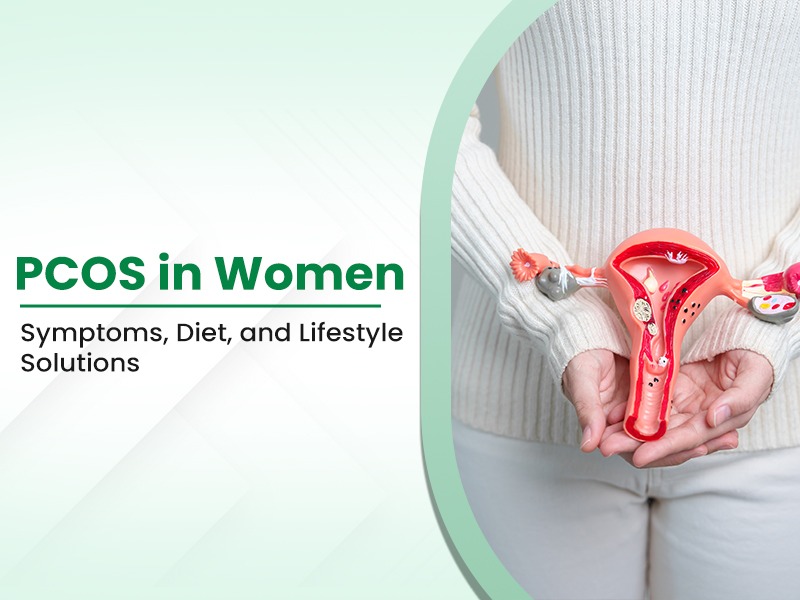
PCOS in Women: Symptoms, Diet, and Lifestyle Solutions
Polycystic ovary syndrome (PCOS) is one of the most common hormonal disorders affecting women. It typically develops during the reproductive years and can impact menstrual cycles, fertility, physical appearance, and overall health. Managing PCOS may feel overwhelming at first, but understanding the condition and adopting healthy lifestyle habits through diet and exercise can significantly improve symptoms and long-term outcomes. Early consultation with a gynecologist in Indirapuram is essential for timely diagnosis and personalised treatment, especially if symptoms are already present.
What Is PCOS?
PCOS is a hormonal imbalance in which the ovaries produce higher-than-normal levels of androgens, or male hormones. This disrupts ovulation and may lead to irregular periods, acne, weight gain, and the formation of multiple small cysts on the ovaries. While the exact cause of PCOS is not fully understood, it is believed to have a strong genetic component and is influenced by insulin resistance and lifestyle factors.
Common Symptoms of PCOS
The symptoms of PCOS differ from woman to woman, but some typical signs are:
1. Irregular Periods
This is among the earliest and most common symptoms. Women may have fewer cycles, delayed periods, or heavy menses.
2. Excess Hair Growth
Excessive androgens can lead to hair growth on the face, chin, chest, and abdomen, a condition called hirsutism.
3. Acne and Oily Skin
An imbalance in hormones typically causes cystic acne on the face and upper trunk.
4. Weight Gain or Difficulty Losing Weight
Many women with PCOS experience insulin resistance, making weight management more challenging.
5. Hair Thinning or Hair Loss
While body hair may increase, scalp hair can become thin or fall out in a pattern similar to male-pattern baldness.
6. Infertility
PCOS is among the leading causes of infertility since disruptions in ovulation can impair the ability to conceive.
7. Fatigue and Mood Swings
Hormonal fluctuations may cause persistent tiredness, anxiety, or mood changes.
If you experience these symptoms, visiting the best gynecologist in Indirapuram can help ensure early diagnosis through ultrasound, blood tests, and hormone evaluation.
Diet Tips to Manage PCOS
Food can be a major factor in regulating hormones and insulin levels. A PCOS-friendly diet focuses on balanced, nourishing foods rather than extreme restrictions.
1. Choose Low-Glycemic Index Foods
Low-GI foods help keep insulin at acceptable levels.
Include:
- Whole grains
- Brown rice
- Quinoa
- Oats
- Sweet potatoes
2. Add Lean Proteins
Protein supports muscle health and promotes satiety. Include:
- Eggs
- Fish
- Chicken
- Legumes
3. Increase Fibre-Rich Foods
Fibre slows digestion down, helps to stabilise blood sugar, and can aid in weight management. Add:
- Green leafy vegetables
- Fruits like apples and berries
- Beans
- Nuts and seeds
4. Healthy Fats Are Essential
Omega-3-rich foods help reduce inflammation. Include:
- Flaxseeds
- Chia seeds
- Walnuts
- Olive oil
5. Stay Hydrated
Staying hydrated helps with metabolism and bloat.
6. Limit Sugar and Processed Foods
Say no to processed snacks, sugary drinks, white bread, and fast food, as these are known to exacerbate insulin resistance.
Lifestyle Solutions for PCOS
1. Regular Exercise
Get enough exercise to manage weight, improve mood, and control insulin resistance. Aim for:
- 2.5 hours of moderate activity such as brisk walking, cycling, or swimming
- Strength training 2–3 times a week
2. Stress Management
Chronic stress worsens hormonal imbalance. Try:
- Meditation
- Yoga
- Deep breathing exercises
3. Quality Sleep
Aim for 7 to 8 hours of uninterrupted sleep. Poor sleep increases cortisol levels, which can worsen hormonal imbalance.
4. Maintain a Healthy Weight
Even a 5 to 10 percent reduction in body weight can significantly improve hormone regulation and fertility.
5. Monitor Your Health Regularly
With PCOS, there is a higher risk of diabetes, abnormal thyroid, and hypertension. It is through regular check-ups that premature detection and treatment occur.
For specialised care and diagnosis, selecting the best hospital in Ghaziabad means you are going to get the treatment from experienced specialists.
Conclusion
Luckily, PCOS is manageable with knowledge and consistently making conscious choices in your diet and lifestyle. The difference between a lifetime of health and chronic issues is early diagnosis and professional medical advice. If you’re suffering from ongoing symptoms, early consultation at a reliable medical centre can enable you to restore your hormonal health. Yashoda Medicity has a team of skilled professionals and state-of-the-art treatment facilities helping women to take on PCOS with authority.
Also Read: Managing PCOS Effectively: Symptoms & Treatment