


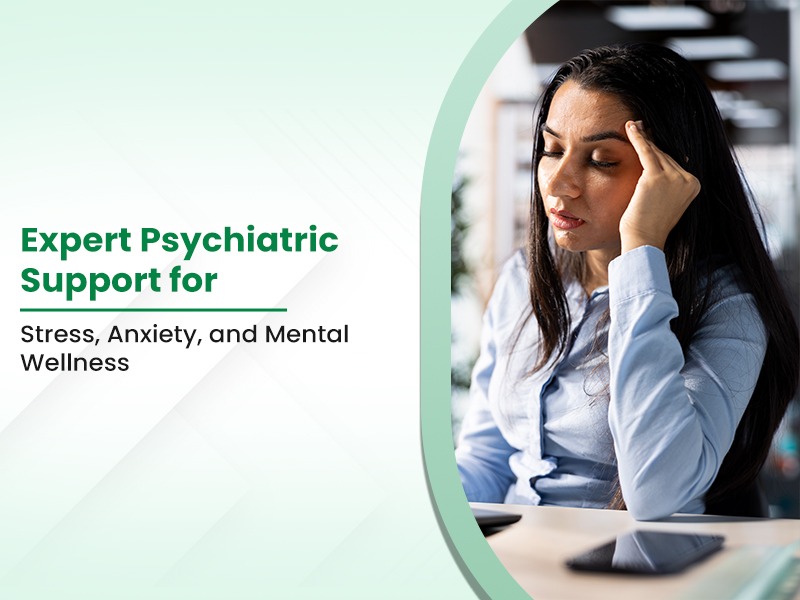
Expert Psychiatric Support for Stress, Anxiety, and Mental Wellness
Stress and anxiety have quietly become a common occurrence in the modern world. The pace at which everything around us is changing, whether it be technology, relationships, or expectations, plays a major role here.
Many people find themselves trapped in cycles of overthinking, anxiety, or emotional fatigue, leaving little space for mental health. Gradually, these mental spikes are dismissed as a normal part of daily life, often without awareness of the long-term consequences.
While it may seem manageable at first, ignoring these signs can make matters worse. Psychiatric support at a mental health hospital in Ghaziabad provides structured care to help you regain control, restore balance, and start feeling like yourself again.
The Indicators When Mental Health is Deteriorating
When an individual’s mental status deviates from baseline, subtle indicators may be present. Having an active approach for noticing and thereby acting upon quickly helps in the process. Early identification of atypical patterns increases the likelihood of effective intervention.
Let’s understand a few:
Constant Stress or Worry
If your thoughts are always racing, or you find yourself feeling tense for no clear reason, it could be more than just a busy week. When stress stops you from concentrating, relaxing, or sleeping properly, it’s time to pause and assess what’s happening emotionally.
Sleep Disturbances
Trouble falling asleep, waking up too early, or feeling exhausted even after a full night’s rest are often signs of anxiety or depression. When the mind is overactive, sleep becomes one of the first areas to suffer.
Loss of Interest or Motivation
Things that once brought joy, be it hobbies, socialising, or work, may start feeling meaningless. This loss of interest can quietly signal that mental health needs attention.
Mood Swings and Irritability
Unexplained anger, frequent crying spells, or sudden frustration can reflect internal distress. Mood swings aren’t just emotional reactions; they may be the mind’s way of expressing imbalance.
The best psychiatrist in Ghaziabad at Yashoda Group of Hospitals notes that this is one of the most common signs, though it’s often mistaken for simple tiredness.
Physical Symptoms with No Clear Cause
Headaches, muscle tension, fatigue, or stomach problems sometimes occur when emotional strain builds. The body often expresses what the mind struggles to process.
Withdrawal from Others
Pulling away from friends, family, or colleagues may feel like self-protection, but isolation often deepens mental strain. Recognising this early can prevent further distress.
How a Psychiatric Support May Help
Mental health is often undervalued compared to physical health, and thus, even if someone plans to seek help, they aren’t sure how to. Consulting a psychiatrist is not just about treatment; it’s about learning to manage thoughts and emotions more effectively.
There might be several thoughts that might be stopping you from taking the first step towards a happier and healthier you. Understanding these thought patterns is essential for initiating therapeutic change, so that one may have a clearer picture of how a psychiatrist may help.
“Do I Really Need to See a Psychiatrist?”
Many people delay reaching out because they believe they should handle things on their own. But when stress or anxiety starts affecting your work, relationships, or sense of purpose, professional help can provide clarity and relief. Psychiatrists offer a safe and confidential space where you can talk openly, without fear of being judged or misunderstood.
“What Kind of Treatments Do Psychiatrists Offer?”
Treatment depends entirely on what you’re experiencing. Some people may benefit from talk therapy, while others may need short-term medication to stabilise mood or manage sleep. Psychiatrists also help identify triggers and suggest lifestyle changes to strengthen mental resilience. The approach that psychiatrist in Ghaziabad takes is never one-size-fits-all. Instead, it’s about finding what truly works for you.
“Can Therapy Alone Make a Difference?”
Absolutely. Talking therapy is one of the most powerful ways to work through emotional distress. It helps you see situations differently, build coping skills, and process emotions more healthily. Over time, therapy can transform the way you think about challenges and your ability to handle them.
“What If I’m Nervous About Opening Up?”
That’s completely normal. Many people feel anxious about sharing personal thoughts at first. A good psychiatrist knows this and will move at a pace you’re comfortable with. Trust grows gradually, and with it, the strength to face difficult emotions and experiences.
“Will I Have to Take Medicines Forever?”
Not necessarily. Medication, if prescribed, is often a temporary support to help stabilise your mental state. Once balance is restored, many people can gradually reduce or stop medication under supervision. Psychiatrists focus on recovery, not dependency.
A Psychiatrist at Yashoda is There to Help, Always
At Yashoda Group of Hospitals, mental wellness is treated with the same priority as physical health. The expert team of doctors brings together compassion, clinical expertise, and modern methods to help people manage stress, anxiety, depression, and other emotional challenges. Whether you need counselling, therapy, or medical support, the focus is always on understanding you as a person, not just your symptoms.
Every consultation is confidential and conducted in a calm, respectful environment. From diagnosis to therapy, the care is personalised and holistic, addressing not only the mind but also lifestyle and overall wellbeing.
If you’ve been feeling emotionally exhausted, constantly worried, or simply not like yourself, reaching out for psychiatric support can be the first step towards feeling better. With the right guidance, coping strategies, and professional care, recovery is not only possible, it’s achievable.
Here, you are never alone in this journey. Expert doctors are here to listen, support, and help you regain control of your mental health, so you can lead a calmer, more balanced life once again.
Also Read: Alzheimer’s vs. Parkinson’s: Understanding the Early Signs and Differences