


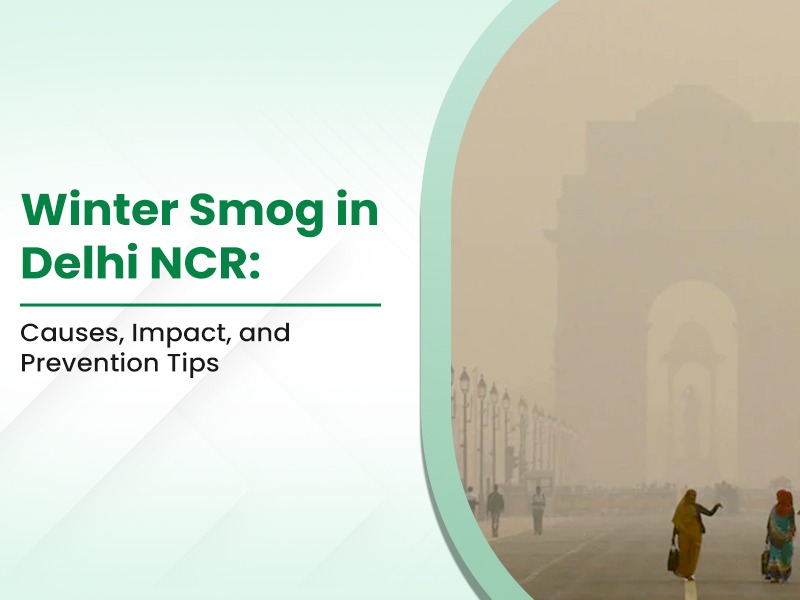
Winter Smog in Delhi NCR: Causes, Impact, and Prevention Tips
Each winter, Delhi NCR experiences a sharp rise in air pollution as smog settles over the region, pushing pollution levels among the highest in the world. This dense mix of fine dust and toxic gases gradually seeps into daily life, affecting visibility, outdoor activity, and overall well-being, while posing serious risks to respiratory, eye, and skin health.
People who travel daily or work outdoors face increased exposure to pollutants such as carbon monoxide, nitrogen dioxide, and sulfur dioxide. Doctors from the best hospital in Delhi NCR warn that winter smog and polluted fog can worsen asthma, respiratory problems, and joint pain, especially in seniors. Continue reading to understand the causes, impact, and the right preventive tips to effectively deal with winter smog in Delhi NCR.
What Are The Top Causes of Winter Smog in Delhi NCR?
There may be several other reasons in addition to those listed below, but these are likely the most important causes of the winter smog, as suggested by the best pulmonologist in Delhi NCR.
Stubble Burning in Neighbouring States
Crop residue burning in nearby agricultural regions contributes significantly to rising PM2.5 levels, leading to severe smog in the NCR area, especially in Gurgaon.
Heavy Traffic
Hundreds of thousands of vehicles pollute the air along the Delhi-Gurgaon roadways and throughout the inner city. Traffic congestion traps pollutants, which degrade air quality; meanwhile, Diesel vehicles, in particular, produce dangerous PM2.5 emissions.
Industrial Pollution
The air quality index is also severely impacted by the hazardous gases released by industrial belts, such as sulfur dioxide and nitrogen dioxide.
Construction and Dust
Ongoing construction activities generate airborne dust, raising PM10 levels and worsening air quality due to inadequate dust-control measures.
Winter Weather Patterns
Weather conditions in the NCR play a major role. Dense fog combines with pollutants to create smog and further affect AQI. Low wind speeds prevent dispersion, and cold air traps pollutants closer to the ground.
How Does Winter Smog Impact Human Health?
Prolonged exposure to smog has an impact on all bodily systems, with the respiratory and cardiovascular systems being the most vulnerable. Here’s what physicians at the top hospital in Delhi NCR suggest about the impact of smog on human health:
Respiratory Issues
Respiratory problems usually start with irritation in the throat and nasal passages. People may also experience asthma attacks or worsening of COPD (Chronic Obstructive Pulmonary Disease), coughing, wheezing, and shortness of breath.
Cardiovascular Problems
As fine particles (PM2.5) enter the bloodstream, they place constant stress on the heart and blood vessels. This increases the risk of heart attack, stroke, high blood pressure, and worsening of existing heart disease.
Eye and Skin Irritation
Smog can induce redness, itchy and watery eyes, dryness, and even trigger skin allergies or flare-ups in people with sensitive skin.
Impact on Children and the Elderly
Children breathe more air relative to their body weight, increasing their pollutant exposure. Older adults with weakened immunity or pre-existing health conditions face a higher risk of complications.
Long-Term Health Risks
Prolonged or repeated exposure can contribute to chronic bronchitis, reduced lung capacity, persistent breathing difficulties, and an increased risk of developing lung cancer over time.
Below is a table showing how each pollutant affects the body:
PM2.5
- Source: Smoke and traffic
- Health Impact: Enters the bloodstream and affects the lungs
PM10
- Source: Dust and construction activities
- Health Impact: Causes coughing and throat/airway irritation
Nitrogen Dioxide (NO₂)
- Source: Vehicle emissions
- Health Impact: Leads to breathing issues and chest discomfort
Sulfur Dioxide (SO₂)
- Source: Factories and industrial processes
- Health Impact: Triggers lung inflammation
Ozone (O₃)
- Source: Formed when sunlight reacts with other pollutants
- Health Impact: Makes breathing painful and worsens respiratory symptoms
Ways to Prevent Winter Smog in Delhi NCR
The following are some of the prevention steps that experts at the top hospital in Delhi NCR region suggest:
- Monitor Air Quality Daily: Check the Air Quality Index (AQI) in real-time using apps and websites like AQI India and SAFAR. Avoid outdoor activities if your AQI level is above 150 (unhealthy).
- Wear Anti-Pollution Masks: Use an N95 or N99 mask that filters fine particles (PM2.5).
- Use Air Purifiers Indoors: Invest in a purifier with a HEPA filter to remove indoor pollutants and allergens.
- Boost Lung Health Naturally: Improve your lung health naturally by eating foods rich in vitamin C, antioxidants, and omega-3 fatty acids, such as citrus fruits, turmeric, ginger, and flaxseed.
- Stay Hydrated: Drink water as it helps eliminate toxins from your body and keeps your airways moist.
- Avoid Outdoor Exercise in Morning Smog: Pollution levels are highest in the early morning. Try an indoor workout or yoga instead.
- Keep Your Home Dust-Free: Keep your home clean by vacuuming your carpets, cleaning your filters, and closing your windows during severe smog alerts.
- Get Regular Health Checkups: Regular examination of the lungs and airways can help detect early signs of damage from pollution.
Expert Health Guidance to Prevent Winter Smog in Delhi NCR!
The smog problem in Delhi NCR is a seasonal sign of the urgent need to protect the environment and our health. The more polluted the air becomes, the more important it becomes to be aware of the situation and take precautions. Therefore, at Yashoda Group of Hospitals, our team of the best pulmonologists in Delhi NCR is focused on providing advanced diagnostic and treatment solutions for effective well-being during periods of high air pollution levels. Get in touch with us to quickly identify and manage smog-related health risks.
Also read: Common Winter Health Problems and How to Prevent Them