


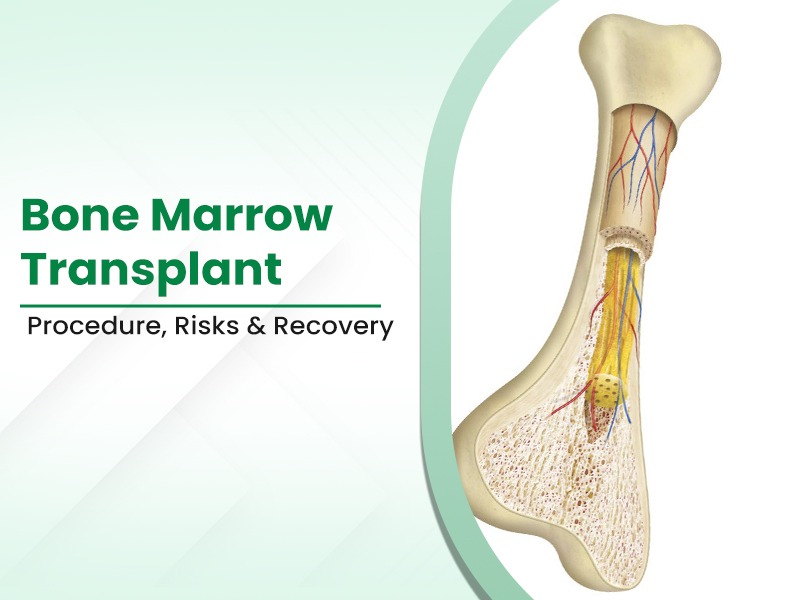
Bone Marrow Transplant: Procedure, Risks & Recovery
A bone marrow transplant is a medical procedure in which healthy blood-forming stem cells are delivered into the body to replace bone marrow that is not producing enough healthy blood cells. This treatment is also known as a stem cell transplant. According to recent data, stem cell transplants have a success rate of 60 to 70 percent in treating blood cancers and nearly 80 percent in treating joint repair, autoimmune, or inflammatory conditions.
Understanding the phases of treatment, possible risks, and recovery expectations can help patients feel more confident and informed. This guide explains how a bone marrow transplant is performed at the best hospital in Delhi NCR, along with the complete recovery timeline and potential complications.
What Are the Main Types of Bone Marrow Transplants?
Bone marrow transplants can be categorised as either autologous or allogeneic. Each has unique qualities that allow the doctors to choose the most suitable option in order to treat their specific disease.
Autologous Bone Marrow Transplant
In an autologous transplant, the patient’s own cells are harvested and stored for use at the time of treatment. This is done before the patient receives chemotherapy or radiation therapy at the best hospital in Ghaziabad.
Allogeneic Bone Marrow Transplant
In an allogeneic transplant, the patient receives bone marrow or stem cells from a genetically matched donor. A donor may be a relative (e.g., siblings) or an unrelated person who is registered with a bone marrow registry.
What Are the Complications and Risks of Bone Marrow Transplant?
The following are potential complications associated with a bone marrow transplant. However, symptoms may differ for each individual. These complications may occur either individually or in combination.
- Infections, such as bacterial, viral, or fungal.
- Low platelets and low red blood cells.
- Pain related to mouth sores and gastrointestinal (GI) irritation.
- Fluid overload leading to pneumonia, liver damage, and high blood pressure.
- Respiratory distress.
- Organ damage, such as the liver and heart.
- Graft failure.
- Graft-versus-host disease.
How Is the Bone Marrow Transplant Procedure Completed?
There are many stages to the transplant process, which include preparing the body to receive the transplant and recovering from the transplant. When you search for the best super speciality hospital near me, here are the steps in the procedure you can expect at their centre:
1. Pre-Transplant Evaluation for Bone Marrow Transplant:
The first step is extensive assessments to determine the patient’s general condition, the stage of the disease, and whether they qualify for the procedure. If an allogeneic transplant is required, a matching donor will be found based on Human Leukocyte Antigen (HLA) compatibility.
2. Conditioning Regimen (Chemotherapy/Radiation):
Most patients, before the transplant, undergo a conditioning regimen which, if necessary, is followed by chemotherapy and/or radiation. The purpose of this is to eradicate any remaining diseased bone marrow cells, create space in the bone marrow for the new cells, and weaken the immune system so that the transplant is not rejected.
3. Stem Cell Infusion (Transplantation)
The transplant involves infusing healthy bone marrow or stem cells into the patient’s bloodstream, typically through an IV. These cells go to the bone marrow and start making new blood cells.
Aftercare and Recovery from Bone Marrow Transplant
After the transplant, the patient is kept under close watch at the hospital for possible problems like infections, graft-versus-host disease (GVHD), and rejection. Recovery can take several weeks to months, and patients may need long-term monitoring to make sure the new marrow is working well.
Recovery in the Hospital
After the transplant, patients usually stay in the isolation unit for a period of 4 to 6 weeks. The best hospital in Delhi NCR will carry out the following steps during this recovery time:
- Medications are given to help the donated cells take hold and prevent infections.
- Laboratory tests are carried out frequently to check blood counts and see if the transplant is successful.
- If the patient cannot eat on their own at first, intravenous nutrition or tube feeding may be used.
- Discharge from the hospital will be planned when blood counts normalise and side effects are controlled.
At-Home Recovery and Lifestyle Adjustments
The full recovery period is between six months and twelve months. At this time:
- Take all medicines that are prescribed and go to regular follow-up appointments.
- Avoid public areas and use steps to keep from getting an infection.
- Manage side effects, including tiredness, muscle weakness, and changes in appetite.
- Get involved in physical therapy and light exercise to help rebuild strength.
- Drink enough fluids and keep a balanced diet.
Over time, the body regains strength as the renewed bone marrow restores normal blood counts.
Choose a Super Specialty Hospital for Bone Marrow Transplant!
A bone marrow transplant in India offers patients a new beginning amidst various challenges. With proper care, this journey can symbolise hope and renewal. And, when it comes to bone marrow transplants, locating the best super speciality hospital near me is essential for achieving optimal care and treatment results. Yashoda Group of Hospitals is recognised as a leading facility for bone marrow transplants in India, dedicated to facilitating a smooth and successful process. If you or someone you know needs specialised medical care, do not wait. Book an appointment with our specialists today.
Also Read: Annual Health Check-Ups: Why They Are Important