


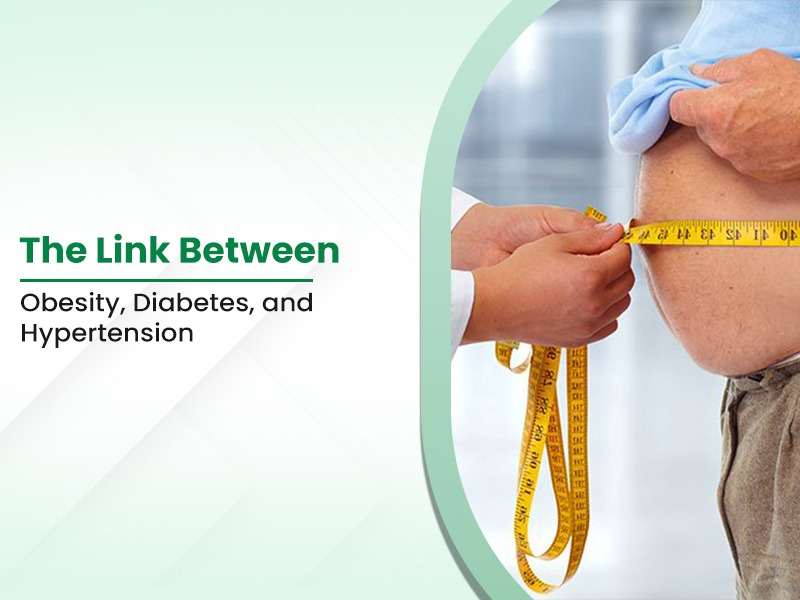
The Link Between Obesity, Diabetes, and Hypertension
Obesity, Type 2 diabetes mellitus, and hypertension (high blood pressure) frequently occur together and are collectively recognised as key components of metabolic syndrome, a complex and interconnected health condition. These disorders do not exist in isolation. Instead, they interact closely and amplify one another’s effects, making them a major global public health concern.
Understanding the biological and pathological links between these conditions is essential for effective prevention, early diagnosis, and comprehensive treatment. Such knowledge empowers individuals to make meaningful lifestyle changes and enables specialised medical professionals to develop integrated, personalised care plans. The rising prevalence of these chronic conditions highlights the need for medical strategies that address underlying metabolic dysfunction rather than treating each disease in isolation.
The Role of Obesity in Metabolic Dysfunction
Obesity is widely recognised as the primary driver of this interconnected disease cluster. Its impact extends beyond mechanical stress on the body. Adipose tissue, particularly fat stored around abdominal organs, is metabolically active and functions as an endocrine organ. It releases hormones and inflammatory substances known as adipokines and cytokines.
These substances trigger chronic, low-grade inflammation throughout the body. This inflammatory state plays a central role in the development of insulin resistance, which is a defining feature of Type 2 diabetes. As insulin sensitivity decreases, muscle, fat, and liver cells respond poorly to insulin. Additionally, excess adipose tissue increases the production of angiotensinogen, which leads to higher levels of angiotensin II, a potent vasoconstrictor. This process contributes directly to elevated blood pressure and links obesity closely with hypertension.
The Path to Type 2 Diabetes
Insulin resistance associated with excess body weight places increasing demand on the pancreas to produce more insulin. Over time, the pancreatic beta cells become exhausted and are no longer able to meet the body’s insulin requirements. This progressive decline results in inadequate insulin secretion, leading to persistent hyperglycaemia and the development of Type 2 diabetes.
If blood sugar levels remain uncontrolled, prolonged hyperglycaemia can damage blood vessels and nerves throughout the body. The Department of Endocrinology and Metabolic Diseases at a leading hospital in Ghaziabad focuses on comprehensive care for hormonal and metabolic disorders, including diabetes. Experienced endocrinologists utilize advanced diagnostic tools and evidence-based therapies to manage these conditions effectively. In individuals with morbid obesity and multiple metabolic complications, surgical options such as bariatric surgery may be considered. A well-qualified endocrinologist in Ghaziabad can guide patients through advanced treatment and long-term management strategies.
Hypertension: The Vascular Consequence
Hypertension is one of the most serious outcomes of the metabolic changes associated with obesity and diabetes. Prolonged high blood sugar levels cause damage to blood vessels, leading to stiffness and narrowing of arteries. This increases resistance to blood flow and raises blood pressure.
In addition, obesity and insulin resistance activate the sympathetic nervous system and the renin-angiotensin-aldosterone system, both of which play key roles in blood pressure regulation. Increased sodium retention and fluid accumulation, commonly seen in insulin resistance, further elevate blood volume and strain the cardiovascular system. Poorly controlled hypertension significantly increases the risk of heart attack, stroke, and kidney failure.
Also Read: How Diabetes Impacts Your Heart: A Cardiologist’s Take
Integrated Management and Treatment
Managing obesity, diabetes, and hypertension requires a multidisciplinary and holistic approach. The primary focus should be on correcting underlying metabolic abnormalities, with weight management forming the foundation of treatment.
At Yashoda Group of Hospitals, the Department of Endocrinology and Metabolic Diseases follows a comprehensive care model that includes accurate diagnosis, personalised medical therapy, lifestyle interventions, and surgical options when required. The goal is to improve the quality of life while preventing long-term complications.
Key Pointers for Integrated Management:
Lifestyle Modification: Sustainable changes in diet and physical activity are central to treatment. Reducing processed foods and added sugars while increasing regular exercise supports long-term weight loss and metabolic control.
Medical Therapy: Targeted medications are prescribed to regulate blood sugar levels, control blood pressure, and manage lipid abnormalities.
Surgical Interventions: For individuals with severe or complicated obesity, bariatric surgery may be recommended. Advanced procedures such as sleeve gastrectomy have shown significant benefits in improving glycaemic control and reducing hypertension. Patients can consult an experienced bariatric surgeon in Delhi NCR to explore suitable surgical options.
Specialised Care: Access to advanced laboratory diagnostics, modern imaging facilities, and a multidisciplinary team of endocrinologists, surgeons, and specialists under one roof ensures comprehensive care. Identifying the best hospital in Ghaziabad with integrated services is essential for effective long-term management of these complex conditions.
Conclusion
The close relationship between obesity, diabetes, and hypertension necessitates early screening, coordinated care, and aggressive management to prevent serious cardiovascular and renal complications. Addressing these conditions together, rather than individually, offers the best opportunity for improved outcomes and long-term health.
Also Read: Obesity & Unhealthy Diet Trends Among Urban Youth