


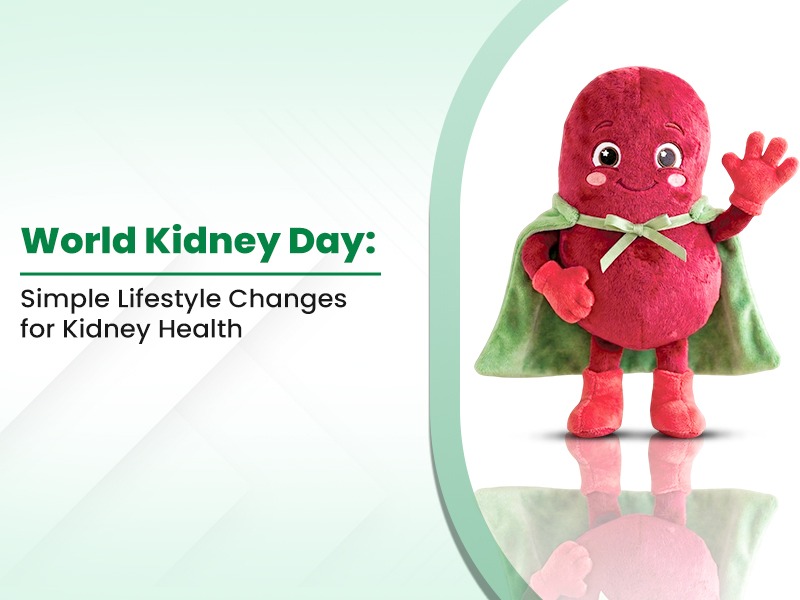
World Kidney Day: Simple Lifestyle Changes for Kidney Health
Your kidneys are silent heroes, working around the clock to keep your body in balance. Every day, they filter about 200 quarts of blood, removing toxins, regulating blood pressure, and maintaining essential minerals. Despite their importance, kidney disease often develops quietly, showing few or no symptoms. That is why understanding how to care for your kidneys through hydration, diet, and lifestyle choices is crucial for long-term wellness. For expert guidance, consulting the best kidney specialist in Delhi NCR can help you take proactive steps to protect your renal health and prevent complications before they become serious.
Why is Kidney Health Important for Overall Wellness?
Kidneys do more than produce urine. They regulate blood pressure, support red blood cell production, and maintain strong bones by balancing minerals like calcium and phosphorus. When kidney function declines, toxins build up in the blood, causing high blood pressure, fatigue, and nerve damage. Early-stage kidney disease often goes unnoticed, making it essential to know your risk factors and adopt healthy habits. By understanding how your kidneys work, you can take small steps today that prevent major problems tomorrow.
How Can Hydration and Diet Protect Your Kidneys?
Keeping your kidneys healthy starts with proper hydration. Water helps flush out sodium, urea, and other waste products, lowering the risk of chronic kidney disease. Diet also plays a crucial role:
- Avoid processed foods: These often contain hidden sodium and phosphorus.
- Moderate protein intake: Too much protein can overwork your kidneys.
- Eat antioxidant-rich foods: Berries, cauliflower, and Omega-3-rich fish support kidney function.
Reducing salt is particularly important, as high sodium increases blood pressure and strains the kidney’s tiny filtering units, called glomeruli. Simple dietary adjustments can make a real difference in preventing kidney problems over time.
What is the Link Between Diabetes, Hypertension, and Kidney Failure?
Lifestyle habits alone may not be enough to protect your kidneys. Diabetes and high blood pressure are the leading causes of kidney failure worldwide. Prolonged high blood sugar can damage the kidney’s delicate filters, resulting in Diabetic Nephropathy. Hypertension narrows blood vessels, increasing strain on the kidneys and potentially causing long-term damage if untreated. Regular checkups at the best hospitals in Noida can detect early warning signs, such as protein leakage (proteinuria), allowing timely intervention to slow disease progression.
How Do Kidney Stones and UTIs Affect Long-Term Function?
Painful conditions like kidney stones and urinary tract infections (UTIs) may seem temporary, but they can lead to serious long-term problems. Stones can block urine flow, and UTIs may travel to the kidneys, causing severe infections like pyelonephritis. Early treatment with fluids or antibiotics is essential to prevent chronic kidney damage. Paying attention to warning signs ensures these common issues don’t develop into serious kidney disease.
Seeking Expert Care with a Kidney Specialist in Ghaziabad
Even occasional kidney problems benefit from professional guidance. Consulting a kidney specialist in Ghaziabad provides personalized treatment plans tailored to your needs. Modern nephrology combines advanced diagnostics with life-saving procedures, including organ transplantation, giving patients the support they need to manage serious conditions and enjoy a normal, healthy life. Accessing expert care early can make all the difference in maintaining kidney health.
Conclusion: Prioritize Your Renal Health Today
Protecting your kidneys begins with awareness and proactive care. At Yashoda Medicity, our Nephrology and Renal Transplant department offers comprehensive services, from early screening and preventive care to dialysis and transplantation. With advanced medical treatment and compassionate support, we aim to improve the quality of life for every patient. This World Kidney Day, take the first step toward protecting your kidney health. Don’t wait for symptoms to appear; consult the best kidney specialist in Delhi NCR and secure your long-term wellness today.
FAQS:
- Why is World Kidney Day significant for everyone?
It raises awareness about the “silent” nature of kidney disease and the importance of early detection for overall wellness.
- What is the primary function of the kidneys?
They filter nearly 200 quarts of blood daily to remove toxins, waste, and excess fluid while regulating blood pressure.
- How does hydration impact kidney function?
Proper water intake helps the kidneys clear sodium and urea from the body, reducing the risk of chronic kidney disease.
- What is Diabetic Nephropathy?
It is a complication where prolonged high blood sugar damages the kidney’s delicate filtering units (glomeruli).
- How can I find the best hospitals in Noida for kidney screenings?
Look for facilities like Yashoda Medicity, which offer specialized Nephrology departments and advanced diagnostic tools.
- What are the symptoms of a Urinary Tract Infection (UTI) affecting the kidneys?
Symptoms include a burning sensation during urination, frequent urges, cloudy urine, and sometimes lower back pain.
- What is the difference between Hemodialysis and CAPD?
Hemodialysis uses a machine at a center to filter blood, while CAPD is a home-based treatment using the abdominal lining as a natural filter.