


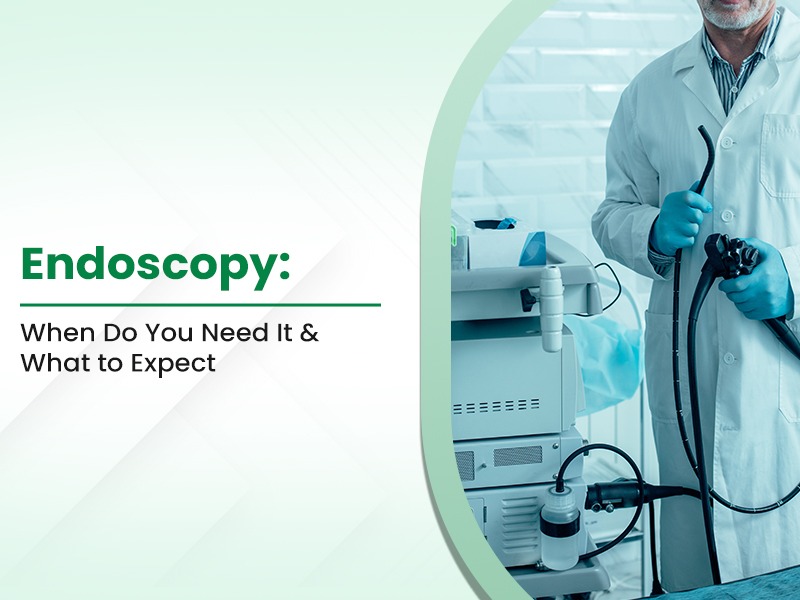
Endoscopy: When Do You Need It & What to Expect
Endoscopy is a medical procedure that uses a special instrument called an endoscope to observe the inside of a body cavity or the digestive tract. It is widely used for early detection and diagnosis of digestive conditions.
However, even if the best gastro doctor in Delhi NCR recommends an endoscopy, people still have questions or may not know what to expect. The good news is that Endoscopy is a common, safe, and trusted procedure used to diagnose and treat many digestive problems. Let’s discuss what it involves, when it’s needed, and what happens before, during, and after the test.
What Is an Endoscopy?
Endoscopy is a nonsurgical procedure that uses a thin, flexible tube with a light and a camera called an endoscope to view the inside of the upper gastrointestinal (GI) tract. This scope captures images and videos of organs and other parts of the body. This includes the esophagus, stomach, and the beginning of the small intestine (duodenum). It displays them on a screen that your doctor sees.
When Do You Need Endoscopy?
The best gastroenterologist in Indirapuram would recommend an endoscopy to help identify the cause of several different issues. These include:
- Acid reflux or persistent heartburn.
- A change in bowel habits, especially if they are looser and or more frequent.
- Blood in your feces.
- Determine the reason for ongoing nausea or stomach discomfort.
- If they suspect the presence of colorectal cancer.
- Evaluate difficulty swallowing.
- Perform a biopsy or remove foreign objects.
Endoscopy can also be performed to take samples of suspicious growths, remove polyps, and take tissue samples.
How to Prepare for Endoscopy?
Preparing for your endoscopy will ensure that it is done safely and effectively. A doctor from the best hospital in Delhi NCR will tell you to follow the given steps:
- Do not eat or drink anything 4 to 8 hours before your procedure.
- You may be asked to undergo a bowel adjustment procedure to remove stool from your intestines.
- Stop taking certain medications or supplements if recommended by your doctor.
- Have someone drive you home, especially if you are being sedated.
- Tell your doctor if you have diabetes, a bleeding disorder, or are taking blood thinners.
What Happens During Endoscopy?
An endoscopy usually takes 30 minutes to 2 hours, depending on the type of procedure. Most people go home on the day of their endoscopy, but some endoscopy procedures require an overnight stay in the hospital.
At the best hospital in Delhi NCR for endoscopy procedures, your doctor will use a mild sedative, so you can sleep pain-free during the procedure. In a small number of cases, general anesthesia (including intubation or placement of a breathing tube) is required. Once you are completely relaxed or asleep, your doctor will perform the following steps:
- The doctor will gently insert the endoscope until you reach the area you want to examine.
- Adjust the scope so that the correct organs and structures are visible on the screen.
- The monitor displays real-time images so doctors can detect inflammation, ulcers, and other problems.
- They will mark irregularly shaped areas and remove tissue or treat as needed.
- If necessary, a biopsy or minor treatment (such as dilation) may be performed.
- Finally, they’ll close all incisions.
What to Expect after Endoscopy?
After an endoscopy procedure, you may expect the following:
- You will rest until the sedative wears off (usually 30 to 60 minutes).
- You may experience a mild sore throat, bloating, or gas
- If you are under anesthesia, do not drive, drink alcohol, or make important decisions for 24 hours.
- Your doctor can discuss your initial results on the same day and contact you by phone later if a biopsy is performed.
Most patients are able to eat and return to normal activities the same day or the next morning.
Is Endoscopy Safe?
Yes. Endoscopy is considered very safe, and the risks are minimal. Rare complications include bleeding, infection, and perforation of the gastrointestinal tract. Most of the time, the gastroenterologist in Indirapuram will discuss the risks with the patient beforehand for better clarity.
Manage Gastrointestinal Issues With the Right Care!
Endoscopy is an effective tool to help diagnose and treat a wide range of digestive disorders, from gastroesophageal reflux disease to polyp removal. Knowing what to expect before, during, and after your surgery can help reduce anxiety and make your surgery go more smoothly. If you need specific advice or additional information, please consult the best gastro doctor in Delhi NCR at Yashoda Group of Hospitals. We will support you at every step so you receive timely answers, accurate diagnosis, and the right treatment without delay!
Read more: What Are the First Symptoms of Liver Failure?