


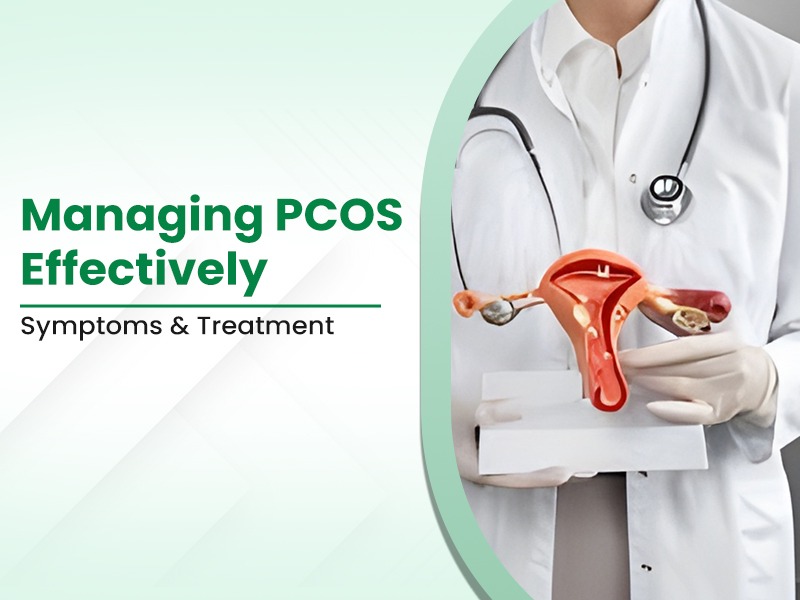
Managing PCOS Effectively: Symptoms & Treatment
Polycystic ovarian syndrome (PCOS) is a common hormonal and metabolic disorder that affects people of reproductive age. It usually begins during adolescence, but symptoms may progress over time. PCOS can cause hormonal imbalances, irregular periods, increased androgen levels, and ovarian cysts. Although estimates of global prevalence vary, the condition is thought to affect 6% to 13% of women of childbearing age. Despite the prevalence, up to 70% of cases remain undiagnosed, highlighting serious gaps in recognition and treatment.
PCOS is a chronic and incurable disease. However, doctors from the best hospital in Delhi NCR may suggest improving symptoms with lifestyle changes, medication, and fertility treatments.
What Are The Key Symptoms of PCOS?
Symptoms of PCOS vary from person to person. They can change over time and often occur without a clear cause. The most common ones include the following:
- Irregular Menstruation: Infrequent, prolonged, or absent periods. Some may also experience unusually heavy bleeding.
- Abnormal Hair Growth: Women with PCOS may develop excess hair on their face or on their arms, chest, or abdomen.
- Acne: PCOS can cause acne, especially on the back, chest, and face. This acne can persist into adolescence and is difficult to treat.
- Obesity: 30-75% of PCOS patients are obese and have difficulty maintaining a healthy weight.
- Darkening of the Skin: Dark patches of skin may appear, especially in the creases of the neck, armpits, groin area, and under the breasts. This phenomenon is known as acanthosis nigricans.
- Cyst: In many people with PCOS, the ovaries appear large or contain many follicles (cysts) on ultrasound.
- Skin Tags: Skin tags are small areas of excess skin. It is often seen in the armpits and neck.
- Thinning Hair: People with PCOS may experience hair thinning or scalp hair loss.
- Infertility: PCOS is the most common cause of infertility in women. Lack of regular or frequent ovulation may result in an inability to conceive.
What are the Treatment Options for PCOS?
Below are some treatment options and lifestyle changes for PCOS that can help manage hormonal issues and reduce symptoms:
-
Medications
Your gynecologist may recommend a combination of clomiphene, Femara, metformin, and gonadotropins for proper ovulation. Your doctor from the best hospital in Delhi NCR may also suggest oral contraceptives or progestin therapy to regulate your menstrual cycle and reduce symptoms of PCOS.
-
Weight Loss
Obesity is one of the main causes of PCOS symptoms. Therefore, losing weight and maintaining a healthy body mass index is one of the main steps to regularising your menstrual cycle. This can be achieved by eating a healthy, low-calorie diet. The ideal diet for healthy weight loss will help quickly resolve hormonal problems.
-
Exercise
Exercise is one of the healthy ways to lose weight quickly. It is very important to be consistent. If you have a busy schedule, even a brisk walk for 20 to 25 minutes can help you lose excess fat and regulate your menstrual cycle.
Best Lifestyle Tips for Managing PCOS Symptoms
PCOS is a hormonal condition that can be controlled through various lifestyle changes and medical interventions. Here are some steps the best gynaecologist in Indirapuram will suggest to take control of PCOS:
- Eat a Healthy Diet: Choose a balanced diet rich in lean protein, whole grains, vegetables, fruits, and healthy fats. Limit sugar and limit processed foods and refined carbohydrates.
- Limit Carbohydrate Intake: Choose complex carbohydrates with a low glycemic index to avoid blood sugar spikes.
- Stress Management: Practice meditation, yoga, relaxation techniques, and deep breathing to reduce stress.
- Management of Insulin Resistance: If insulin resistance is a concern, drugs such as metformin may be prescribed to improve insulin sensitivity.
- Get Enough Sleep: Get a proper sleep to regulate your hormones and control insulin sensitivity.
- Drink Water: Drink plenty of water to maintain your overall health and hormonal balance.
- Increase Your Fiber Intake: Add fiber-rich foods to your diet to aid digestion. It also helps regulate blood sugar levels.
Manage PCOS Symptoms Effectively with The Right Guidance!
Polycystic ovary syndrome is a hormonal problem that causes irregular periods, weight gain, facial hair, and acne. If such symptoms suddenly appear, it is necessary to undergo a test as soon as possible, start treatment, and normalise the menstrual cycle. If you suspect or have symptoms of PCOS, contact our gynaecologist in Indirapuram for a thorough examination and treatment plan. Yashoda Group of Hospitals specialises in women’s health and provides comprehensive and personalised care for the treatment of PCOS.
Also Read: Your Trusted Partner for Women’s Health, Pregnancy Care, and Gynaecology Services