


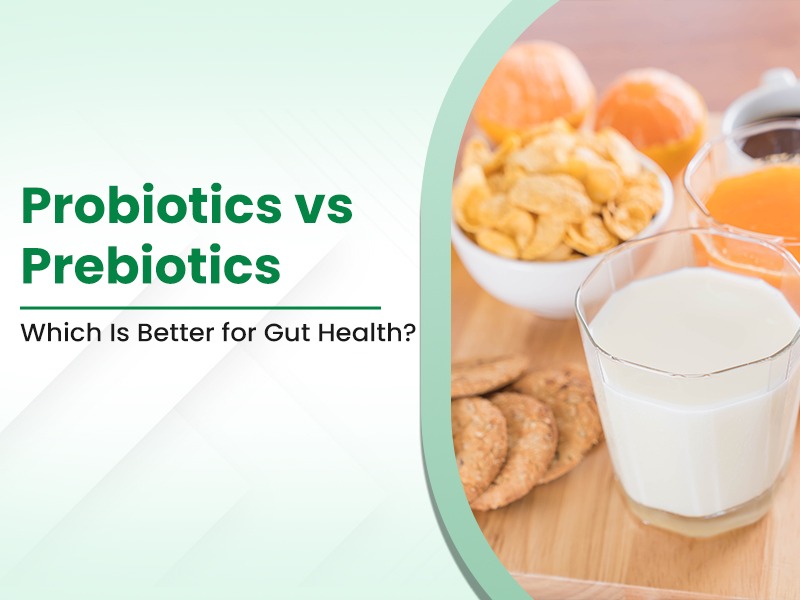
Probiotics vs Prebiotics: Which Is Better for Gut Health?
A person’s gut health is an important part of their overall well-being. It supports proper digestion, enhances immune function, and promotes emotional balance. Beyond these roles, the gut microbiome also influences several aspects of health that people may not always be aware of. Because of this wide-ranging impact, gut health is now receiving greater attention than ever before. As people become more aware of how digestion affects their overall health, many are turning to dietary changes and supplements to support and improve gut function.
While prebiotics and probiotics may sound similar, they are in fact two distinct forms of digestive support that serve different purposes. Understanding how each works can help individuals make informed decisions when trying to improve digestive balance naturally.
What Are Probiotics?
Probiotics are beneficial live bacteria that restore and maintain a healthy microbiota in the digestive system. Probiotics help digest food, reduce inflammation, improve the digestive system’s ability to absorb nutrients, and protect the intestinal lining.
Probiotics can be found in:
- Yoghurt with live cultures
- Kefir
- Fermented foods such as kimchi, pickles, and sauerkraut
- Some cheeses
- Probiotic supplements
Probiotics are beneficial after taking antibiotics, suffering from a digestive infection, or in any situation that alters the natural state of gut flora.
Benefits of Probiotics
- Eliminates Bloating, Gassy Feelings & Indigestion
- Increases Nutrient Absorption
- Supports Immune Function
- Improves Symptoms of Irritable Bowel Syndrome
- Help manage diarrhoea and constipation.
- Promotes the Overall Resilience of Your Gut
As probiotics are live organisms, they must meet specific criteria, including strain selection, potency, and the capacity to withstand stomach acid, to have an effect in the colon.
What Are Prebiotics?
Prebiotics are indigestible carbohydrates that serve as a food source for the beneficial bacteria already present in the gastrointestinal tract. Unlike probiotics, which are living organisms, prebiotics support the growth and multiplication of beneficial bacteria by providing nutrients.
Foods that contain significant amounts of prebiotic carbohydrates are:
- Bananas
- Onion and garlic
- Whole grains
- Asparagus
- Oats
- Legumes
- Chicory root
Benefits of Prebiotics
- Promote the growth of healthy gut bacteria.
- Improve digestion
- Enhance calcium absorption
- Support regular bowel movements
- Boost immunity
- Improve metabolic health
Prebiotics are particularly good for long-term digestive health, as they nurture the microbiome and create a stable environment for gut bacteria to flourish.
Probiotics vs. Prebiotics: Key Differences
Although they both contribute to gut wellness, probiotics and prebiotics serve different roles:
Probiotics
-
Live bacteria
-
Restore gut flora
-
Work quickly
-
Found in fermented foods & supplements
-
Helpful after antibiotics
Prebiotics
-
Non-digestible fibers
-
Feed existing gut bacteria
-
Work gradually
-
Found in fruits, vegetables & whole grains
-
Helpful for long-term gut health
In simple terms, probiotics are like adding new plants to a garden, while prebiotics are the fertilizer that helps them grow.
Which Is Better for Gut Health?
Probiotics and prebiotics are equally important and have similar health impacts, as they work together to maintain healthy gut flora. To achieve optimal gut health, it is important to include both.
Probiotic benefits are most evident for people who:
- Have been on an antibiotic regimen recently
- Are suffering from a current digestive infection and/or disease
- Want immediate relief from gas, diarrhoea, or indigestion symptoms.
- Need a quick solution to their gut problems.
Prebiotic benefits are greater for people who:
- Want to ensure a lifelong healthy digestive tract.
- Are experiencing chronic constipation
- Do not have a sufficient intake of fibre from food sources.
- Desire to continue feeding their existing gut flora.
The Best Strategy: A Synbiotic Approach
When used together, probiotics and prebiotics have been found to exhibit a strong synergistic effect, maximising the benefits of each treatment. For this reason, many experts, including the best gastro doctor in Delhi NCR, generally recommend using both probiotics and prebiotics for patients with ongoing gut health challenges.
When to See a Specialist
A gut health professional should be consulted for chronic digestive issues, such as persistent bloating, changes in bowel habits, abdominal discomfort, or unexplained weight changes, that do not improve after dietary modifications.
A qualified gastroenterologist in Indirapuram can evaluate the patient for underlying health issues and guide supplements, diet, and treatment options. Those with significant or ongoing digestive problems are encouraged to seek treatment at a Ghaziabad best hospital with access to advanced diagnostic technology, trained medical clinicians, and a wide range of diagnostic, therapeutic, and surgical resources.
Conclusion
Maintaining a healthy digestive system requires both prebiotics and probiotics. Prebiotics nourish beneficial gut bacteria, while probiotics help replenish and strengthen them. In conjunction with probiotic supplementation and proper nutrition, Yashoda Group of Hospitals provides personalised digestive health and expert gastrointestinal care, supporting the strength and balance of the digestive system through appropriate lifestyle choices and dietary intake.
The best support for a healthy digestive system comes from regularly incorporating both prebiotic- and probiotic-rich foods into the diet. When used together in the right balance, they provide comprehensive support for overall digestive health and wellness.
Also Read: Obesity & Unhealthy Diet Trends Among Urban Youth