


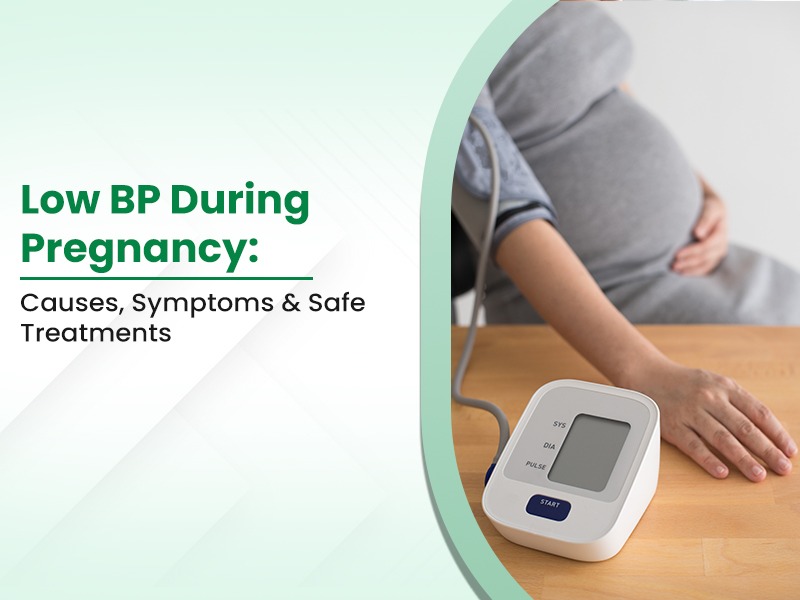
Low BP During Pregnancy: Causes, Symptoms & Safe Treatments
Feeling light-headed or unusually tired during pregnancy can be worrying, especially when low blood pressure is the cause. Clinical studies show that many pregnant women experience a noticeable drop in blood pressure, particularly during the first half of pregnancy. This happens as the body adjusts to hormonal changes and increased circulatory demands.
While most cases remain mild, persistently low readings can lead to discomfort and anxiety. If dizziness or weakness continues, consulting a general physician in Indirapuram is essential to ensure both maternal comfort and foetal safety. Read on to understand the causes of low BP during pregnancy, symptoms that need attention, and safe treatment options.
Is Low Blood Pressure Normal During Pregnancy?
Yes, your blood pressure naturally drops during pregnancy. This happens because your circulatory system expands rapidly to support your growing baby. Your blood vessels relax and widen to accommodate increased blood volume. The changes usually start in the first trimester and continue until the middle of the pregnancy.
Most women have a drop of 5 to 10 points in systolic pressure and 10 to 15 points in diastolic pressure. These changes in your body are your body’s way of making sure that blood keeps flowing to the placenta and the developing baby.
What Causes Low BP in Pregnancy?
Several physiological and lifestyle factors contribute to reduced blood pressure during pregnancy. Each cause affects circulation in a different way.
- Changes in hormones make blood arteries wider to help the fetus grow
- Increased blood volume takes time to stabilise circulation
- Dehydration reduces circulating fluid levels
- Prolonged standing affects blood return to the heart
- Anaemia lowers oxygen delivery to tissues
Doctors often explain why low BP in pregnancy occurs as part of routine antenatal counselling, especially during early visits.
What Symptoms Should Not Be Ignored?
Mild dizziness may occur occasionally, but certain symptoms require medical review. Awareness helps you act early.
- Dizziness or falling spells that won’t go away
- Confusion or not being able to see clearly
- Weakness and skin that is cold and clammy
- Nausea that worsens with standing
- Rapid breathing or heart rate
- Fainting episodes or complete loss of consciousness
- Severe headaches accompanied by vision changes
- Having a hard time breathing or not being able to catch your breath
Is Low BP Harmful to the Baby?
Most cases of mild hypotension do not harm the baby. The placenta usually receives an adequate blood supply even when maternal pressure is low.
Risk increases if symptoms remain untreated or severe. Doctors pay close attention to low BP in pregnancy third trimester since blood flow demands rise sharply during this stage.
What Are Safe Treatments for Low Blood Pressure in Pregnancy?
You can manage most cases through simple lifestyle modifications. Medical intervention from a reputable gynecologist in Indirapuram becomes necessary only in difficult or persistent situations. However, you can adopt the following management strategies that focus on stabilising circulation without harming the mother or the baby.
- Adequate hydration throughout the day
- Small, frequent meals to maintain blood sugar
- Slow position changes from sitting or lying
- Compression stockings when advised
- Iron supplements if anaemia is present
The most effective immediate relief measures that most general physician in Indirapuram suggest are:
- Sit or lie down immediately when you feel dizzy
- Elevate your legs above heart level to improve blood flow
- Loosen tight clothing around your waist and neck
- Move slowly when changing positions, especially from lying to standing
- Take several deep breaths to increase oxygen circulation
Medical guidance for low BP in pregnancy treatment ensures safety while supporting maternal comfort.
Diet also plays a supportive role. Many women ask about low BP in pregnancy and what to eat. Doctors usually recommend a balanced diet rich in fluids, iron, protein, and essential nutrients, tailored to individual needs.
Get Expert Guidance for Low BP During Pregnancy!
Blood pressure changes during pregnancy deserve careful attention rather than guesswork. Early assessment supports maternal comfort and foetal safety throughout each trimester.
For expert pregnancy care from the best gynecologist in Indirapuram, consult Yashoda Medicity. We offer coordinated care from physicians and specialists to manage pregnancy-related blood pressure concerns with clarity and confidence. Schedule your appointment at one of the best hospitals in Ghaziabad today!
Also Read: Your Trusted Partner for Women’s Health, Pregnancy Care, and Gynaecology Services
FAQs
- Is low blood pressure common in pregnancy?
Low blood pressure occurs frequently due to hormonal and circulatory changes. Most cases remain mild and improve with routine care.
- What causes low BP in pregnancy?
Progesterone relaxes blood vessel walls whilst your circulatory system expands to accommodate increased blood volume. Dehydration, nutritional deficiencies, prolonged standing, and heat exposure also contribute to pressure drops.
- What symptoms should not be ignored?
Repeated fainting, chest pain, vision changes, difficulty breathing, or persistent weakness need evaluation. Cold, clammy skin, confusion, and severe headaches also warrant urgent evaluation.
- Is low BP harmful to the baby?
Mild to moderate low blood pressure rarely affects your baby’s development. However, very low blood pressure during pregnancy with severe symptoms could potentially reduce placental perfusion and limit foetal growth if left untreated.
- Can low blood pressure cause miscarriage?
No direct evidence links low blood pressure to miscarriage risk. Mild hypotension doesn’t affect early pregnancy viability. However, severe underlying conditions causing extremely low pressure might indicate other health problems.