


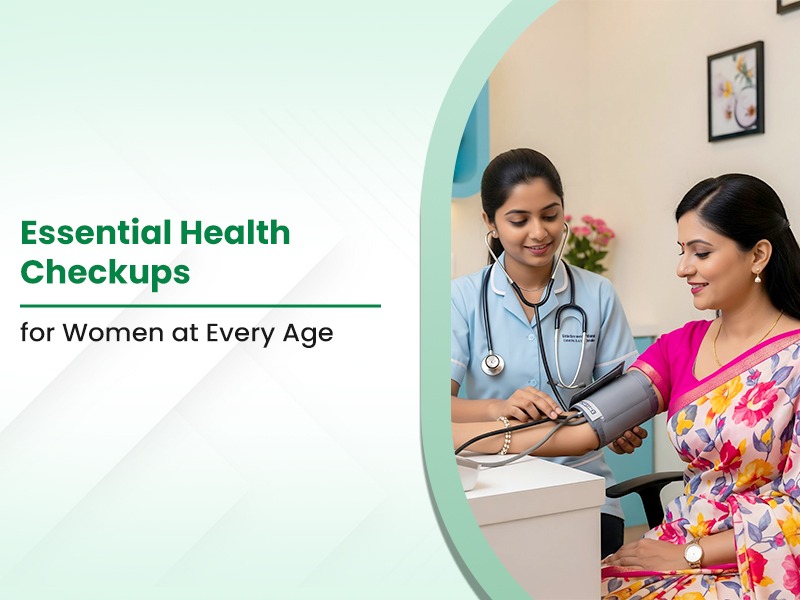
Essential Health Checkups for Women at Every Age
Putting yourself first should never be ignored; taking care of your health is essential for a better and healthier life. As a woman in today’s busy metro cities, you are constantly balancing family responsibilities, home, and career goals. In the middle of all this, your own health often gets pushed aside. However, paying attention to your health early and preventing problems before they begin is one of the smartest decisions you can make. Small, timely steps today can protect your well-being in the long run.
By taking charge of your health now, you can stay strong and continue supporting both your family and your career for years to come. It also helps you make informed choices, whether it is finding the best hospital in Delhi NCR or consulting the best gynaecologist in Ghaziabad. Routine health check-ups are the first step, as they help you understand your health better and choose the right care to stay healthy in the future.
Why Are Regular Health Screenings Crucial for Women?
Health screenings serve as diagnostic tools that identify disease before the patient has any signs. Women need these screenings for various reasons, including the fact that many diseases affecting women, such as breast cancer, cervical cancer, and osteoporosis, can develop without any warning signs. Early detection improves the chances of a successful outcome and reduces the complications and costs of treatment.
As women age and experience different stages of life (i.e., from the twenties to after menopause), they have different health care needs, making it very important that we make an effort to ensure each woman receives individualized, age-appropriate routine check-ups.
Reproductive Health: What Screenings Do You Need in Your 20s and 30s?
A woman’s total vitality relies heavily on her reproductive health. Regular check-ups with the best gynaecologist in Ghaziabad can help manage fertility and prevent chronic infections.
- Regular pap smears and HPV testing on the cervix help identify changes to the cells of the cervix. Women aged 21 to 29 should have a Pap smear every 3 years; women aged 30 to 65 should have both a Pap smear and an HPV test every 5 years.
- A pelvic examination consists of a physical examination of the uterus and ovaries, performed annually; it may help identify cysts or fibroids, as well as infections.
- If you’re sexually active, getting tested each year for STIs (specifically Chlamydia and Gonorrhea) is important to prevent complications due to these infections, such as Pelvic Inflammatory Disease (PID) from occurring.
Breast Health: How to Stay Vigilant Against Cancer?
Breast cancer continues to be one of the leading health issues faced by women around the world.
- Breast self-examination (BSE): Women should perform a monthly self-exam starting in their 20s to detect any abnormal bumps or changes in breast skin.
- Clinical breast examination (CBE): Women should have a clinical examination by a physician every one to three years between the ages of 20 and 39, and once a year after 40.
- Mammogram: Mammograms are the “gold standard” for breast cancer detection. Women aged 45-54 years should have a mammogram annually; women aged 55 and older can switch to every other year.
Mental Health: Why is Emotional Well-being Important?
Without a healthy mind, there can be no healthy body. Women are statistically more likely than men to develop depression and anxiety. This is largely due to hormonal changes related to menstruation, pregnancy, and menopause, as well as societal pressures.
- Screening for depression and anxiety: Regular mental health assessments using validated questionnaires can help identify symptoms such as persistent sadness or panic before they develop into more serious conditions.
Conclusion: Secure Your Future with Yashoda Medicity
Your health is an individual journey and should be treated with the highest level of clinical excellence. At Yashoda Medicity, we offer world-class technology and compassionate care, making us one of the best hospitals in Noida and the best hospital in Delhi NCR. Our team assists you with all aspects of your health, from scheduling a Pap smear to completing a comprehensive cardiac evaluation. Our best gynaecologist in Ghaziabad is dedicated to ensuring long-term health outcomes. Don’t wait for symptoms to develop before taking control of your health.
Also Read: Female Urinary Incontinence: Causes, Symptoms, And Home Remedies
FAQS
- At what age should I start getting regular health checkups?
While basic health monitoring (like blood pressure and BMI) should start early, specific women’s health screenings like Pap smears and clinical breast exams typically begin at age 21. However, if you are sexually active or have a family history of certain conditions, your doctor at Yashoda Medicity may recommend accordingly.
2. How often should I see a gynaecologist if I have no symptoms?
Even if you feel perfectly healthy, an annual well-woman exam is highly recommended. These visits allow your doctor to perform pelvic exams, discuss reproductive health, and detect potential issues early.
3. Is a Pap smear the same as an HPV test?
Not exactly, though they are often done together (co-testing). A Pap smear detects abnormal cervical cells, while an HPV test identifies the presence of high-risk human papillomavirus, the primary cause of cervical cancer.
4. Why is heart health screening important for women in their 30s?
With fast-paced lifestyles in metro cities, stress and poor dietary habits can lead to early-onset hypertension and high cholesterol. Early screening in your 30s helps establish a baseline, making it easier for a gynaecologist or cardiologist to track changes over time.