


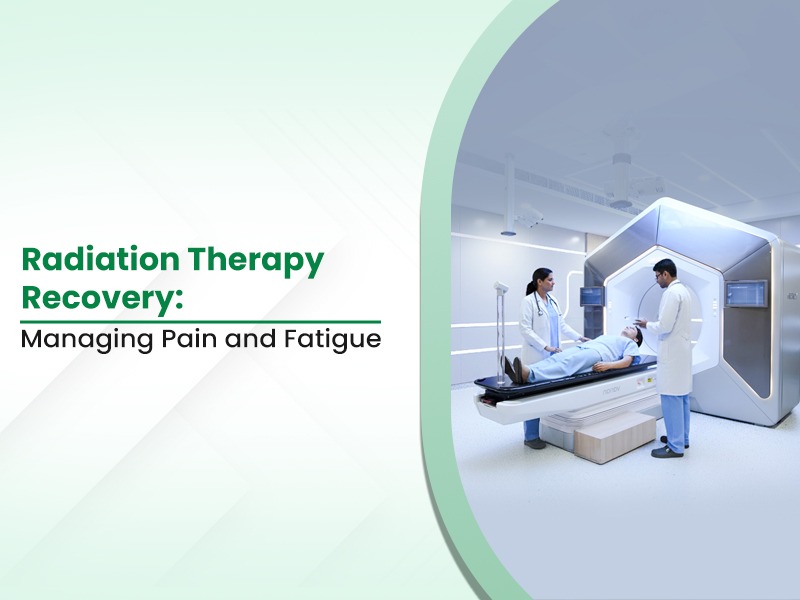
Radiation Therapy Recovery: Managing Pain and Fatigue
Post-treatment recovery in cancer care requires expert clinical oversight to ensure effective symptom management and optimal healing. At Yashoda Medicity, we understand that rehabilitation is as important as active treatment. Our comprehensive recovery programmes are guided by the best radiation oncologist in Delhi, ensuring structured, patient-centric care. Recognised among the best hospitals in Delhi NCR, we combine advanced technology with supportive resources to help patients confidently manage recovery symptoms such as pain and fatigue.
Understanding the Recovery Phase After Radiation
Radiation therapy is a highly effective cancer treatment that works by damaging the DNA of cancer cells, thereby preventing their growth and replication. However, as high-energy radiation may also affect nearby healthy tissues, the body requires time to heal and recover after treatment.
Recovery is more than just the completion of therapy. At the best hospital in Delhi NCR, it involves actively managing treatment-related side effects to support long-term health and well-being. A proactive approach during this phase helps ensure a smoother transition back to daily life while addressing any lingering concerns under expert supervision. Advanced techniques such as IMRT (Intensity-Modulated Radiation Therapy) and IGRT (Image-Guided Radiation Therapy) further help minimise exposure to healthy tissues, supporting improved recovery outcomes.
How to Manage Post-Radiation Pain Effectively
Patients undergoing radiation therapy may experience pain due to skin sensitivity, inflammation of treated tissues, or nerve involvement, depending on the site of treatment. These symptoms can be effectively managed through a combination of clinical care and self-management strategies. Patients can reduce skin-related discomfort by applying fragrance-free, hypoallergenic moisturisers and wearing loose-fitting, breathable cotton clothing. The best radiation oncologist in Delhi may prescribe anti-inflammatory medications, topical agents, or other supportive treatments to manage deeper tissue or nerve-related pain.
It is important to report any new or worsening symptoms promptly, as early intervention allows healthcare providers to adjust the supportive care plan according to individual needs, thereby minimising the impact of pain on overall quality of life.
Strategies for Overcoming Cancer-Related Fatigue
Fatigue is one of the most common side effects of radiation therapy and is often described as persistent exhaustion that does not fully resolve with rest. This occurs because the body uses significant energy to repair healthy cells affected during treatment.
To alleviate fatigue, experts recommend the following:
- Conserve Energy: Prioritise essential activities and delegate tasks where possible
- Light Exercise: Gentle physical activity, such as walking, can improve energy levels and reduce fatigue
- Hydration: Adequate fluid intake supports metabolic balance and overall recovery
- Planned Rest: Short naps of 20–30 minutes can help restore energy without disrupting nighttime sleep
Nutritional Support for Faster Tissue Healing
Your body depends on a balanced and nutrient-rich diet to support recovery. Adequate protein intake is essential for tissue repair, while vitamins and antioxidants help protect healthy cells and reduce inflammation. Patients are encouraged to consume smaller, more frequent meals if appetite is reduced, ensuring consistent energy intake throughout the day. At Yashoda Medicity, nutritionists work closely with oncologists to design personalised dietary plans tailored to each patient’s clinical condition.
While planning treatment and recovery, many patients also consider the radiation therapy cost in Delhi. At a leading centre like Yashoda Medicity, care pathways are designed to balance clinical excellence with accessible and value-driven treatment options.
Comparing Common Radiation Side Effects and Management
Radiation therapy may lead to temporary side effects, which can be effectively managed with appropriate care:
Irritated Skin
Common Symptoms: Redness, dryness, and itching in the treated area
Management Strategy: Use mild cleansers, apply prescribed moisturisers, and avoid harsh or fragranced products
Tiredness
Common Symptoms: Persistent fatigue and reduced energy levels
Management Strategy: Maintain light activity, stay well-hydrated, and pace daily activities
Pain/Swelling from Treatment
Common Symptoms: Localised tenderness or swelling in the treatment area
Management Strategy: Use prescribed medications (analgesics) or supportive therapies as advised by the medical team
Loss of Appetite
Common Symptoms: Nausea, reduced desire to eat, or altered taste
Management Strategy: Consume high-protein foods in small, frequent portions rather than large meals
Conclusion: Your Partner in Healing at Yashoda Medicity
The recovery phase after radiation therapy can be gradual and, at times, physically and emotionally demanding. With the right clinical support, effective symptom management, nutritional guidance, and structured rehabilitation, patients can navigate this phase with greater confidence and improved outcomes.
At Yashoda Medicity, our oncology care is built on precision, advanced technology, and a patient-first approach. We offer one of South Asia’s most comprehensive combinations of cancer care technologies under one roof, including Elekta Unity MR-Linac, EDGE with HyperArc and ExacTrac Dynamic, ETHOS with Hypersight and Identify Technology, and Bravos.
Backed by experienced radiation oncologists and multidisciplinary expertise, we are committed to delivering personalised care across every stage, from treatment to recovery, ensuring patients receive the support they need throughout their journey.
Also Read: Dr. Gagan Saini’s Approach to Precision Radiation Therapy and Personalized Cancer Care
FAQS
Q1. Who is considered the best radiation oncologist in Delhi for advanced cases?
The best radiation oncologist in Delhi is one who specialises in advanced techniques such as IMRT, IGRT, or SRS and works within a multidisciplinary team at a leading centre like Yashoda Medicity.
Q2. Which is the best hospital in Delhi NCR for comprehensive cancer recovery?
Yashoda Medicity is recognised among the best hospitals in Delhi NCR for its advanced infrastructure, expert medical team, and integrated post-treatment care.
Q3. How long does it take to recover from radiation-induced fatigue?
Most patients experience improvement in energy levels within 2 to 6 weeks after completing therapy, although recovery may vary depending on individual health and treatment intensity.