


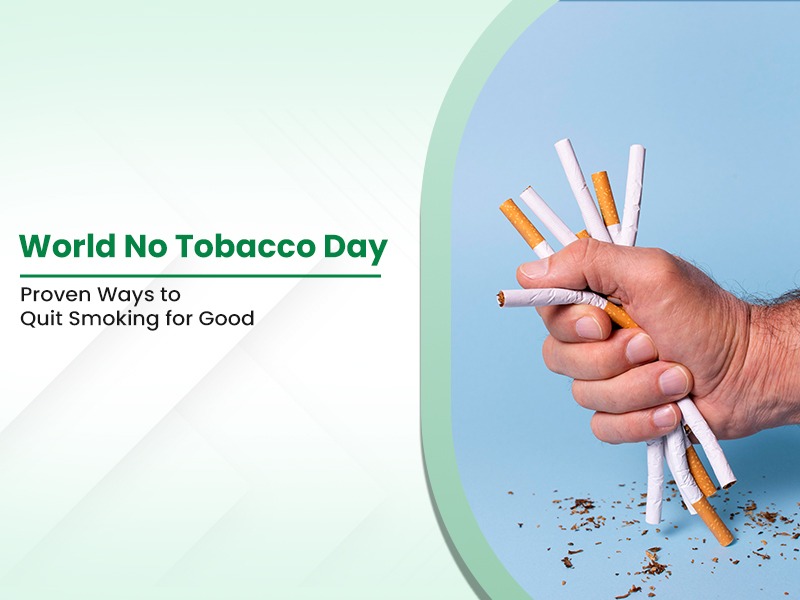
World No Tobacco Day: Proven Ways to Quit Smoking for Good
Each year, World No Tobacco Day serves as a global reminder of the severe health consequences of smoking and the urgent need to reduce tobacco consumption. Quitting smoking is one of the most impactful decisions an individual can make to improve long-term health, protect family members from passive smoke exposure, and significantly reduce the risk of life-threatening diseases.
A structured approach combining medical support, behavioural counselling, and respiratory evaluation can greatly improve the chances of permanent smoking cessation and long-term recovery.
Health Risks Of Prolonged Tobacco Consumption
Chronic tobacco use introduces thousands of toxic chemicals into the body, leading to widespread cellular damage and a progressive decline in overall health. While the respiratory system is affected first, long-term smoking also contributes to cardiovascular disease, stroke, and multiple forms of cancer.
One of the most serious long-term risks associated with tobacco exposure is its link to hematological malignancies. In such cases, families often face significant financial and emotional burden, where factors like blood cancer treatment cost become an important consideration during advanced oncological care planning.
Prolonged tobacco use also causes irreversible lung damage, including Chronic Obstructive Pulmonary Disease (COPD) and emphysema. Managing such conditions requires regular consultation with the best pulmonologist in Noida, who can help monitor lung function, prevent complications, and guide long-term respiratory care.
Quitting smoking significantly reduces the risk of these conditions and also lowers long-term healthcare burden and treatment-related expenses.
Clinically Proven Strategies To Quit Smoking
Quitting nicotine requires a structured, medically supported approach, as dependence affects both physical and psychological behaviour patterns. Evidence-based strategies include:
- Nicotine Replacement Therapy (NRT): Controlled nicotine delivery through patches, gums, or lozenges helps reduce withdrawal symptoms and manage cravings during the initial cessation phase.
- Prescription Medications: Non-nicotine medications prescribed under medical supervision act on brain receptors to reduce nicotine dependence and decrease the satisfaction associated with smoking.
- Behavioural Counselling: Psychological counselling helps identify triggers, modify long-standing habits, and develop healthier coping mechanisms for stress management.
- Pulmonary Rehabilitation: Supervised breathing exercises and lifestyle modifications guided by a pulmonologist help improve lung capacity and support respiratory recovery after quitting smoking.
Advanced Infrastructure For Tobacco-Related Diseases
In cases where prolonged tobacco use leads to serious complications, access to advanced oncology infrastructure becomes critical.
Leading healthcare institutions such as Yashoda Medicity provide advanced, multidisciplinary cancer care using cutting-edge technologies:
- AI-Driven Adaptive Radiation Therapy: Systems such as ETHOS with HYPERSIGHT and IDENTIFY Technology enable real-time treatment adaptation based on daily anatomical changes, ensuring highly precise radiation delivery.
- Sub-Millimeter Precision Radiosurgery: The EDGE system with HyperArc and ExacTrac Dynamic allows highly targeted stereotactic treatment, continuously tracking tumour position while protecting healthy surrounding tissue.
- Improved Clinical Outcomes: These advanced systems have significantly improved outcomes in lung, head-and-neck, and esophageal cancers by enhancing treatment accuracy and reducing side effects.
- Structured Financial and Clinical Planning: For patients with complex hematological conditions, combining advanced treatment technologies with a transparent approach to blood cancer treatment cost ensures better clinical planning and improved quality of care.
Integrated Expertise And Regional Screenings
Early detection remains the most effective strategy for preventing tobacco-related complications. Screening tools such as low-dose CT scans, blood investigations, and respiratory function tests help identify disease at an early stage, when treatment outcomes are significantly better.
Regular follow-up with an experienced pulmonologist in Delhi NCR ensures timely diagnosis, structured treatment planning, and coordinated multidisciplinary care. This collaborative approach helps detect complications early and improves long-term recovery outcomes.
From a long-term perspective, continuous monitoring after smoking cessation supports recovery of lung and cardiovascular function while reducing the risk of future disease progression.
Partnering With Yashoda Medicity For Wellness
Quitting smoking is the most effective step toward reducing the risk of severe respiratory illness and cancer. For patients already facing complex medical conditions, early diagnosis and advanced treatment can significantly improve outcomes and reduce overall disease burden.
At Yashoda Medicity, patients benefit from integrated oncology and respiratory care supported by advanced technology and experienced specialists. For expert consultation, connect with a leading pulmonologist in Delhi NCR and access comprehensive screening and treatment support.