


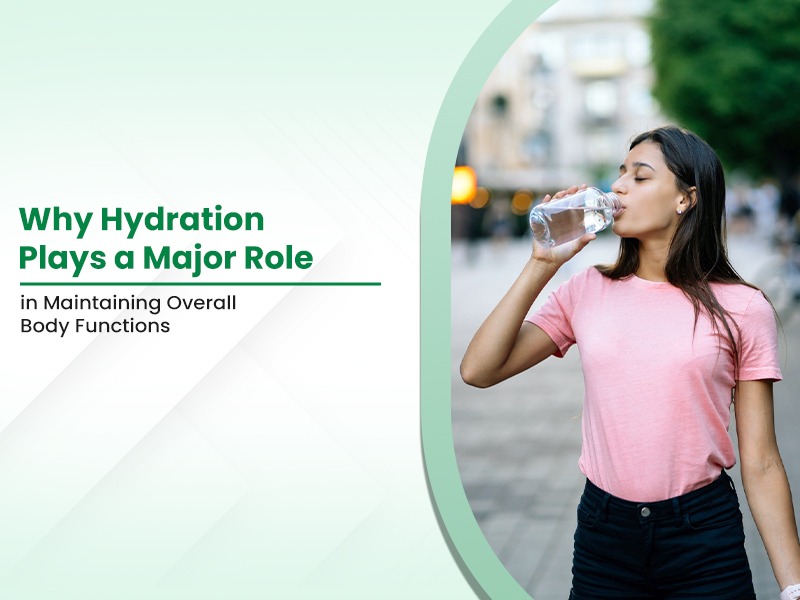
Hydration for Overall Health: Why It Plays a Major Role in Body Functions
The human body is able to survive without food for weeks, but it cannot live without water for even a few days. Such a basic principle highlights the importance of hydration for overall health and maintaining proper fluid balance for human survival.The human body consists of a large percentage of water that serves as the basis for nearly all chemical reactions in the body. Having an appropriate amount of fluid in one’s body is important not just to satisfy thirst but to ensure good organ function.
Fueling Your Cellular Energy
Every single cell within the body needs fluid in order to retain its form and internal pressure. Water plays an important role as the major transport vehicle that delivers nutrients and oxygen to each of these cells. To maintain this cellular health and address persistent fatigue, consulting specialists at the Best General Medicine Hospital in Greater Noida can help you evaluate your baseline fluid levels.
In the absence of sufficient water content, the delivery process is greatly hindered, making it difficult for the cells to produce energy properly. Regular intake of water ensures that all of your body cells get everything they require to keep you active and energetic.
How Does Hydration Support Digestion?
The whole digestive system depends on the intake of constant fluids. The saliva begins the digestion process of food, whereas the gastric and intestinal fluids do the rest. Severe dehydration can halt this process entirely and lead to critical abdominal crises, requiring immediate intervention at the Best Emergency Hospital in Noida to quickly restore fluid stability.
Proper hydration helps maintain a lubricated mucosal membrane of the intestines, which makes it easy for food masses to pass through, avoiding complications and facilitating the absorption of nutrients into the blood.
Below is how hydration directly supports your main bodily processes:
- Blood Flow: Sufficient water ensures sufficient blood volume and blood pressure. When you lack enough water in your body, your blood volume reduces, resulting in an increased heartbeat rate and poor circulation.
- Brain Functioning: Fluids help ensure quick transport of neurotransmitters in the brain. Lack of adequate fluids leads to dehydration of tissues around the head, resulting in poor mental functioning and headaches.
- Joints Movement: Water ensures that the joints have thick and lubricated cartilage. Inadequacy of fluids results in increased friction within the joints, increasing the rate of wear and tear.
- Detoxification: A continuous supply of water helps the body eliminate cellular wastes from the blood. Insufficiency of fluids in your body causes the accumulation of many toxins within your body.
Natural Body Temperature Control
Your body controls its temperature by sweating and changing how blood flows through your veins. When you get too hot, your brain tells your sweat glands to produce moisture. Experts at Yashoda Medicity state that the evaporation of this sweat from your skin naturally cools you down. However, if you are low on water, your body holds onto the heat instead of letting it go, which forces your heart to work much harder.
Efficient Metabolic Waste Removal
The kidneys serve as an internal filter mechanism that eliminates toxins and any excess material in the blood. The body water makes these toxins less concentrated, allowing for easy removal of these toxins in the form of urine by the kidneys.
A lack of water makes the toxins highly concentrated, posing the danger of forming crystals in the urinary system. Chronic dehydration results in the inability of the kidneys to effectively filter the blood, leaving the body susceptible to toxin accumulation within the body.
Protecting Highly Sensitive Tissues
Fluid provides a protective cushion for vital organs and tissues. The brain and spinal cord are surrounded by cerebrospinal fluid, which absorbs shocks from sudden movements. Additionally, the fluid inside joints ensures that cartilage remains soft and elastic, absorbing impacts during walking or running.
When acute dehydration or physical trauma threatens these delicate, cushioned areas, the specialized teams at Yashoda Medicity emergency care are equipped to provide immediate, life-saving fluid resuscitation and support. Without this shock-absorbing barrier, daily movements would cause painful friction and progressive wear on your skeletal structure. Proper hydration keeps these delicate cellular layers fully expanded, acting as a natural shield for your entire physical framework.
How to Identify Body Signals?
When the body experiences a drop in fluid volume, it triggers specific survival mechanisms. Recognizing these signs early can prevent more severe complications from developing. Medical specialists at Yashoda Medicity emphasize that paying close attention to subtle shifts in energy and physical comfort allows you to address hydration needs before your organs experience performance stress. Monitoring these daily physical changes serves as a practical, proactive way to keep your system balanced and resilient.
Below are the primary indicators that your body needs immediate fluid replenishment:
- Darkening Urine Color: This clear sign shows the kidneys are actively conserving water. The fluid becomes highly concentrated to prevent further water loss from your systems.
- Dry Mouth and Skin: Saliva production drops and skin loses elasticity. The body intentionally diverts its remaining moisture away from outer tissues toward vital internal organs.
- Frequent Headaches: Reduced fluid volumes lower overall blood pressure and affect brain tissue hydration. This strain narrows blood vessels, triggering throbbing pain around the skull.
- Unusual Muscle Cramps: Dehydration disrupts the delicate balance of vital minerals like sodium and potassium. This chemical shift forces muscle fibers to contract painfully and involuntarily.
Consistent Daily Fluid Intake
It normally implies that dehydration is already setting in when one feels thirsty. The best thing to do is to drink small portions of water all through the day. It is always best to stick with water that does not have any additives since it is easy for the body to process and there are no artificial ingredients to complicate things. Furthermore, Yashoda Medicity has the best internal medicine department in Ghaziabad, where top specialists analyze and treat how basic bodily mechanisms like fluid retention affect overall health.
Adjusting Hydration To Your Environment
The need for fluid changes according to the external factors as well as the physical activity. The hotter the weather is or the harder the physical activity, the faster you will lose fluid from your body through sweating, which means that the basic fluid intake must be increased.
Consuming water-rich products such as fruits and vegetables will allow you to keep the constant supply of fluids and vital minerals. Not accounting for these external factors will result in the body being put under physical stress, using up your strength very quickly.
Conclusion
Prioritizing daily hydration keeps your bodily systems balanced and prevents sudden healthcare emergencies. Adequate water intake safeguards your long-term health by supporting every major organ function. For routine wellness checks, consulting expert doctors at the Best General Medicine Hospital in Greater Noida keeps your health metrics on the right track. If critical complications arise, receiving swift, life-saving intervention from the specialized trauma and medical teams at Yashoda Medicity ensures your body is quickly stabilized with advanced clinical care.
Book an appointment today or visit our 24/7 emergency care center to secure your family’s health and well-being.