


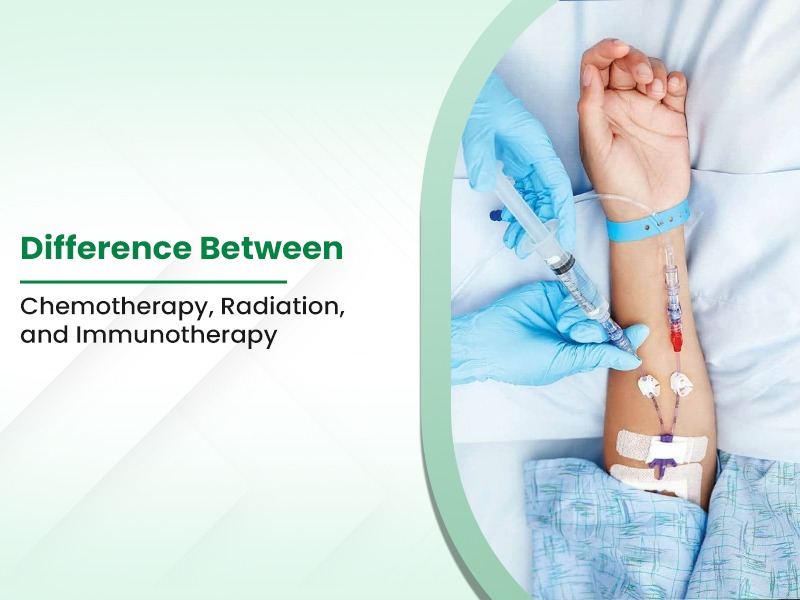
Difference Between Chemotherapy, Radiation, and Immunotherapy
Cancer care continues to advance worldwide. According to recent WHO data, more than 20 million new cancer cases are diagnosed every year, which increases the need for accurate diagnosis and personalised treatment. As treatment options grow, many patients want clear and simple information before choosing where to begin their care.
This is where a cancer hospital in Delhi NCR plays an important role. These centres offer advanced medical systems, precise diagnostic tools, and specialised oncology teams who manage the entire journey from diagnosis to recovery. Understanding the most common cancer treatments can help you feel more confident while discussing your treatment plan with your doctor. The comparison below explains chemotherapy, radiation therapy, and immunotherapy in a clear and easy-to-follow manner. It will help you make informed decisions when searching for the top Cancer hospital in Delhi NCR.
Comparison of Chemotherapy, Radiation, and Immunotherapy
Every cancer is different, which means each patient receives a customised treatment plan. In many cases, doctors may use chemotherapy, radiation, and immunotherapy together to achieve the best outcome. To understand why, it helps to know what each treatment does and when it is used. Here is a quick comparison to help you understand:
What Happens During Chemotherapy?
Chemotherapy uses strong medicines to attack fast-dividing cancer cells and slow tumour growth. Because the treatment also affects other fast-growing cells such as those in the hair, skin, and intestines, side effects may occur.
During chemotherapy, you can expect the following:
- Medicines given through a vein or as tablets
- Your nurse might insert a cannula or use a central line based on your treatment plan.
- You will undergo regular blood tests to check your white cells, red cells, and platelets before every cycle.
- Imaging scans will be advised to track how the tumour responds over time.
- You will also be given medicines to reduce nausea and other side effects to protect vital organs.
- A top Cancer hospital in Delhi NCR uses detailed protocols that match your cancer type, stage, and genetic profile.
What Is Radiation Therapy?
Radiation therapy treats cancer in a specific region without affecting the entire body. A machine delivers precise high-energy radiation towards the tumour based on your planning scan.
During radiation therapy:
- You will attend daily sessions for several weeks.
- The therapy starts with a CT-based planning scan to mark the exact treatment area.
- Each session lasts only 10-30 minutes.
- The dose builds gradually to control the tumour.
Radiation works best for tumours that stay in one location. The method prevents recurrence after surgery and controls pain when cancer spreads to the bone. You can search for a super speciality hospital near me with advanced machines to access more accurate treatment.
How is Immunotherapy Given?
Immunotherapy activates your immune system to identify and attack cancer cells. It uses substances made by the body or in a lab to stimulate or boost the immune system. This treatment does not act directly on the cancer. It improves the way your immune cells respond.
During immunotherapy:
- You receive checkpoint inhibitor drugs through a vein.
- Tests check markers such as PD-L1 to predict response.
- Your team monitors inflammation in the liver, lungs, thyroid, and bowel.
- Treatment continues every two to three weeks based on your plan.
- Regular scans confirm tumour regression or stabilisation.
Immunotherapy creates long-lasting tumour control in several cancers, including melanoma, lung cancer, and kidney cancer.
Why does the Choice of the Right Hospital Matter?
You receive the best outcome when your treatment centre provides:
- A multidisciplinary tumour board
- Medical, surgical, radiation oncology, and more in one place
- Modern diagnostic and imaging systems
- Advanced radiation planning technologies
- Access to the latest immunotherapy drugs
- Continuous monitoring and supportive care
- Clear communication at every step of the treatment
A Cancer hospital in Delhi NCR offers all these services under one roof, so your care stays coordinated and safe.
Get Expert Cancer Care with Advanced Treatment Options!
Cancer treatment requires expertise, precision, and continuous monitoring. You deserve care from specialists who explain every step clearly and adjust treatment based on your response. Search for a super speciality hospital near me and visit a centre like Yashoda Group of Hospitals, for comprehensive cancer care. You will receive accurate diagnosis, personalised treatment plans, and compassionate support throughout your journey. The oncology team uses the latest protocols and advanced technology to give you the best possible outcome!
Also Read: 10 Early Symptoms of Cancer Most People Ignore