


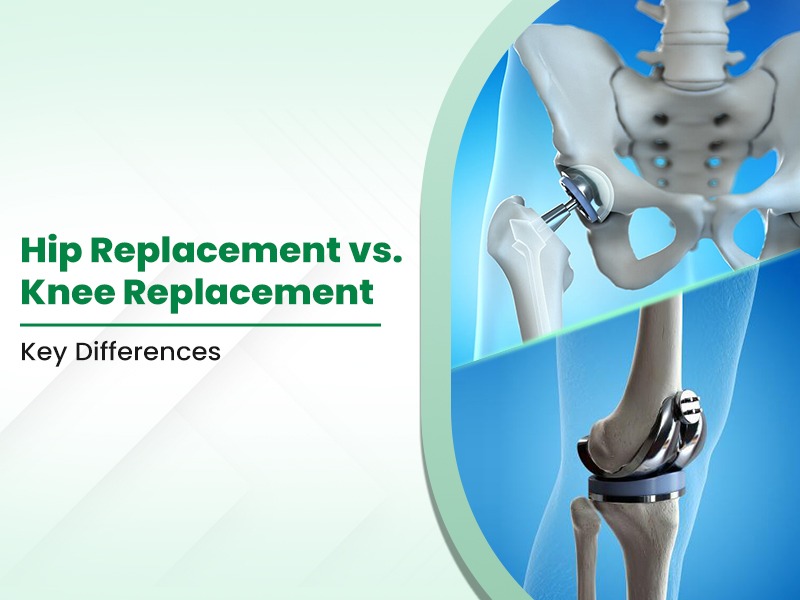
Hip Replacement vs. Knee Replacement: Key Differences
Joint pain and restricted mobility, especially in the hips and knees, can make daily activities challenging and once seemed irreversible. Today, advancements in joint replacement surgery, dating back to the first procedure in 1890, have transformed this outlook.
For individuals dealing with arthritis, injury, or age-related joint wear, joint replacement surgery under the guidance of an orthopedic in Ghaziabad at Yashoda Group of Hospitals can greatly improve mobility and quality of life.
Although both hip and knee replacements aim to relieve pain and restore movement, these joints function differently, and the surgeries to repair them differ as well. Understanding these differences helps patients set realistic expectations and make informed treatment decisions.
What May Lead to Hip Replacement?
The hip joint is considered one of the strongest and most stable joints in the body. It connects the thigh bone (femur) to the pelvis through a ball-and-socket structure that allows smooth movement in several directions. But when this joint becomes damaged, every step, twist, or even sitting down can feel painful.
Common reasons for hip replacement include:
- Osteoarthritis: The most common cause, where the cartilage cushioning the joint wears away, leading to stiffness and pain.
- Rheumatoid arthritis: An autoimmune condition that causes inflammation and erosion of the joint surface.
- Avascular necrosis: Reduced blood supply to the head of the femur, causing the bone to weaken and collapse.
- Hip fractures: Especially in older adults, where the joint becomes too damaged to heal on its own.
- Developmental Conditions: Such as hip dysplasia, which may cause early joint wear.
Hip replacement is recommended when pain interferes with daily life, medications no longer provide relief, and mobility continues to decline.
What May Lead to Knee Replacement?
The knee bears much of the body’s weight and is involved in nearly every movement, be it walking, climbing stairs, bending, or even sitting. Because of this constant use, it’s one of the joints most prone to wear and tear.
Knee replacement is often recommended for:
- Osteoarthritis: Progressive damage to knee cartilage causing pain, swelling, and stiffness.
- Rheumatoid arthritis: Chronic inflammation leading to cartilage loss and joint deformity.
- Post-traumatic arthritis: Following injuries like fractures or ligament tears that damage the knee structure.
- Severe deformities: Conditions like bow legs or knock knees that make movement difficult.
When conservative treatments like physiotherapy, medication, or injections stop providing relief, knee replacement helps restore alignment, reduce pain, and improve function.
How Are They Different From a Patient’s Perspective
Hip and knee replacement surgeries both aim to reduce pain and restore mobility. While the goal is the same, the patient experience differs in several important ways. Understanding these differences can help set realistic expectations and guide recovery.
1. The Type of Joint and Surgical Approach
The hip is a ball-and-socket joint, while the knee functions as a hinge. In hip replacement surgery, the damaged ball (head of the femur) and socket (acetabulum) are replaced with artificial components that move smoothly together. The procedure is typically performed through an incision on the side or back of the hip.
Knee replacement, on the other hand, involves resurfacing the ends of the thigh and shin bones, and sometimes the kneecap, with metal and plastic implants.
This difference in anatomy means that the complexity, range of motion, and healing process vary considerably between the two.
2. Post-Surgery Pain and Recovery Experience
Pain and recovery differ mainly because of how each joint moves. After hip replacement, many people notice quick relief from deep joint pain, and they often regain comfort faster compared to knee replacement. Walking with support usually begins within a day or two.
Knee replacement recovery, however, tends to be more challenging. The knee must bend, straighten, and bear weight early on, which can cause discomfort. The orthopedic doctor in Indirapuram explains that physiotherapy plays a crucial role in restoring motion and strength. Consistent exercise and guided rehabilitation are vital for achieving full function.
3. The Role of Physiotherapy
Both surgeries rely heavily on physiotherapy, but the approach varies.
After hip replacement, the focus is on regaining balance, improving walking, and preventing stiffness. Movements are reintroduced gradually to avoid dislocation of the new joint.
After knee replacement, the therapy is more intensive. Strength training, stretching, and range-of-motion exercises start almost immediately.
4. Duration of Hospital Stay and Return to Normal Activity
On average, hospital stays for both surgeries are quite short today, often around three to five days. However, many people find they can resume daily activities such as walking or light household tasks slightly sooner after hip replacement than after knee surgery.
Driving, climbing stairs, or returning to work depends on the individual’s recovery pace. In most cases, hip replacement recovery feels smoother and less painful, while knee replacement requires more dedication to physiotherapy for optimal results.
5. Longevity and Durability of Implants
Both hip and knee implants are designed to last long, often 15 to 20 years or more, depending on activity levels and overall health. The materials used, typically a mix of metal, ceramic, and high-grade plastic, aim to mimic natural movement while reducing friction.
With proper care, maintaining a healthy weight, and following exercise recommendations, both replacements can serve well for decades without significant issues.
6. Quality of Life After Surgery
For many people, the change is transformative. After hip replacement at an orthopedic in Ghaziabad, movement becomes smoother, and deep, persistent groin or thigh pain usually disappears. It’s often easier to regain a near-normal walking pattern.
After knee replacement, the improvement can be equally rewarding but takes more patience. Some stiffness or a slightly different feel in the joint can persist, but pain relief and mobility gains are usually significant.
Conclusion
Both hip and knee replacements bring hope for those living with long-term joint pain. While the conditions leading to them may differ, the goal remains the same — to restore comfort, movement, and quality of life.
Hip replacement tends to offer quicker relief and easier recovery, while knee replacement often demands more time and physiotherapy to achieve its best results. Each surgery has its own challenges and rewards, but both can help reclaim the ease of movement many thought they had lost for good.
If joint pain is affecting your everyday life, it’s worth consulting an orthopaedic specialist to discuss whether replacement surgery might be right for you. With the right care, preparation, and support, both hip and knee replacements can help bring back the freedom to move with confidence and comfort.
Freedom to Move Again
Both hip and knee replacements bring hope for those living with long-term joint pain. While the conditions leading to them may differ, the goal remains the same: to restore comfort, movement, and quality of life.
Hip replacement tends to offer quicker relief and easier recovery, while knee replacement often demands more time and physiotherapy to achieve its best results. Each surgery has its own challenges and rewards, but both can help reclaim the ease of movement many thought they had lost for good.
If joint pain is affecting your everyday life, it’s worth consulting an orthopaedic specialist at Yashoda Group of Hospitals to discuss whether replacement surgery might be right for you. With the right care, preparation, and support, both hip and knee replacements can help bring back the freedom to move with confidence and comfort.
Also Read: Top 7 Reasons to Visit an Orthopaedic Doctor in Ghaziabad Before It’s Too Late