


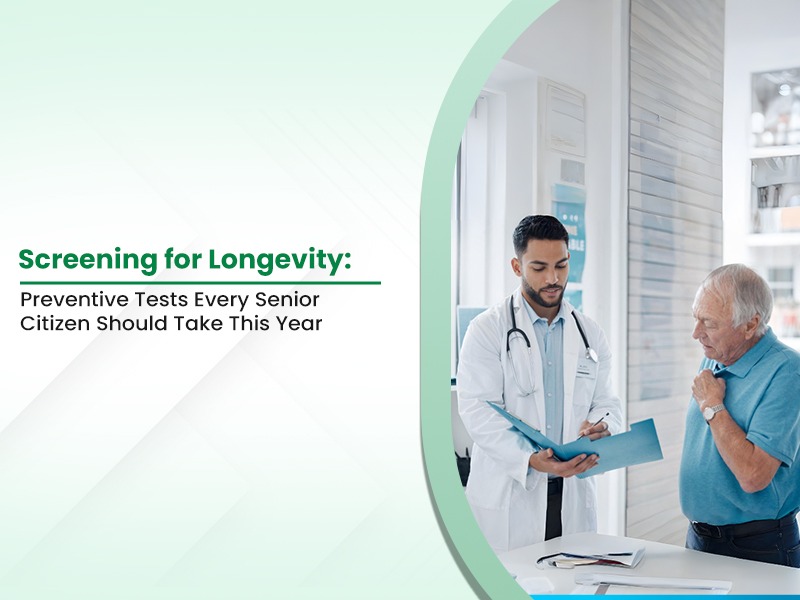
Screening for Longevity: Preventive Tests Every Senior Citizen Should Take This Year
As we grow older, we tend to feel more tired, ignore minor aches, and notice changes in sleeping patterns more often. Most of us see these changes as a normal part of ageing, whereas they can point to deeper problems such as weaker bones, reduced immunity, or affected heart health. This is where regular health screenings become important, helping detect these concerns early when they are still manageable. At Yashoda Medicity, we help seniors stay updated about their overall health through timely screenings so they can continue living an active and independent life with confidence.
Why is Preventive Screening Important After 60?
Most serious health problems in older adults build up for years before any symptom appears. Heart disease, diabetes, osteoporosis, kidney decline, vitamin deficiencies, hearing loss, and even some cancers can remain hidden for a long time. They often surface only after something has already gone wrong, such as a sudden fall, a fracture, or an emergency hospital visit.
Preventive screening gives families a chance to act early. It evaluates every system that becomes more vulnerable with age and identifies small warning signs before they develop into larger problems. A master health checkup for senior citizens is designed for exactly this reason, making it one of the most valuable annual health investments a family can make.
Which Preventive Tests Should Every Senior Citizen Take This Year at Yashoda Medicity?
The Yashoda Medicity Executive Package for Senior Citizens covers 92 parameters along with 6 specialist consultations in a single visit, including dietician, internal medicine, ENT, ophthalmology, cardiology, and dental consultations. Here is what a master health checkup for senior citizens at Yashoda Medicity includes:
Essential Blood Tests Every Senior Needs
- Complete Haemogram with ESR
- Liver Function Test Profile
- Renal Function Test
- Fasting and Post-Prandial Blood Sugar with HbA1c
- Lipid Profile
- Thyroid Function Test
- Vitamin B12, Vitamin D3, and Iron Studies
- Urine Routine Microscopy
- Blood Grouping and Rh Factor
Heart and Lung Screenings
- ECG
- ECHO
- Pulmonary Function Test (PFT)
- Chest X-Ray
Bone, Eye, Ear, and Dental Health Screening
- DEXA Bone Density Study of the Spine and Femur
- Fundus Eye Examination
- Pure Tone Audiometry
- Dental Review
Abdominal Health Check
A whole abdomen ultrasound evaluates the structure of the liver, gallbladder, pancreas, kidneys, and bladder through a painless scan.
When Should Seniors Visit a Doctor for Routine Screening?
An annual full-body checkup is recommended for every adult above 60 years. People already managing diabetes, heart disease, or osteoporosis should ideally undergo a review every six months. This is because chronic conditions can progress faster, and delaying reviews may make them more difficult to manage over time.
The best senior citizen health checkup packages near me are designed to keep this process simple, with one visit covering most of what a senior’s body needs in a year.
Give Your Parents the Health They Deserve This Year!
Your parents will rarely book this checkup for themselves. They often worry about the cost, the time involved, or the inconvenience of visiting a hospital when nothing feels wrong. But a calm and well-planned annual review helps protect their independence, energy, and dignity in the years ahead.
The Yashoda Medicity health packages for senior citizens are designed to do exactly that, all completed in a single visit with clear, doctor-reviewed reports delivered the same day. Book one for them this month.
Also Read: How Does a DEXA Scan for Athletes Optimise Performance?
FAQs
1. Why are preventive health screenings important for senior citizens?
After 60, most serious illnesses develop slowly without visible symptoms. Annual screenings help detect them early, when treatment is gentler, more effective, and often less expensive.
2. What essential blood tests should seniors take annually?
A complete hemogram, kidney and liver function tests, lipid profile, blood sugar with HbA1c, thyroid profile, and Vitamin B12, Vitamin D3, and iron studies are all important annual tests for seniors.
3. Which screenings help detect heart disease in older adults?
ECG, ECHO, lipid profile, blood sugar with HbA1c, and a fundus eye examination together provide an early understanding of heart health and small vessel changes linked to hypertension.
4. Are cancer screenings necessary for senior citizens?
Yes. Annual chest X-rays, abdominal ultrasound, and specialist consultations act as an important first layer of preventive screening. Any abnormal finding may require further specialised investigations recommended by the consulting doctor.
5. When should seniors consult a doctor for routine screening?
Every adult above 60 years should undergo a full health screening at least once a year. Those already managing diabetes, heart disease, or osteoporosis benefit from a six-month follow-up between annual screenings.