


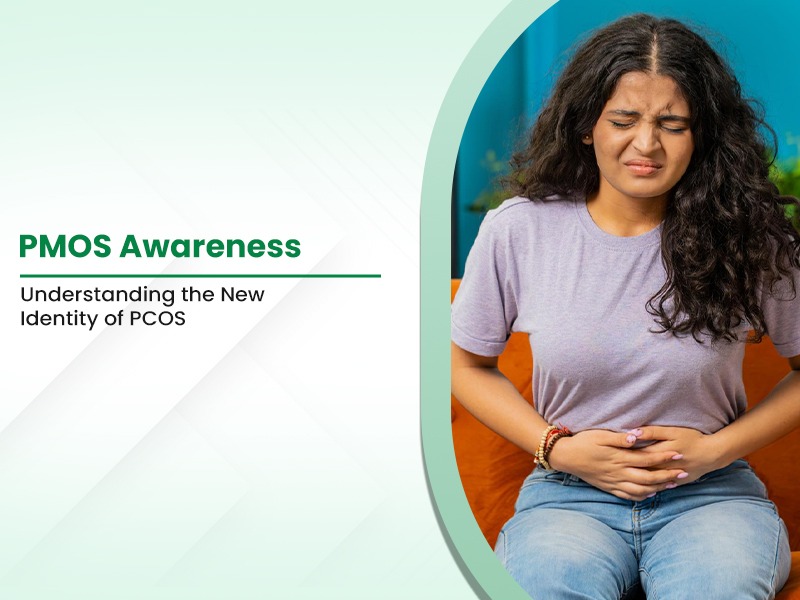
PMOS Awareness: Understanding the New Identity of PCOS
If you’re dealing with irregular periods, unexplained weight gain, stubborn acne, or have been told you have “Polycystic Ovaries” without receiving clear answers, you’re not alone. Millions of women struggle daily with hormonal imbalances, and many spend years searching for the right diagnosis and treatment. During this journey, many women focus only on the visible symptoms, without fully understanding the underlying condition affecting their overall health.
This is where recent medical advancements have changed the conversation around PCOS. Researchers and healthcare professionals now recognise that the condition extends far beyond ovarian health and impacts multiple systems within the body. As a result, medical experts are increasingly referring to PCOS as Polyendocrine Metabolic Ovarian Syndrome (PMOS), a term that better reflects the hormonal, metabolic, and reproductive complexities involved.
If you’re looking for expert guidance and advanced care, consulting the best gyno in Ghaziabad or visiting a top hospital in Delhi NCR can be the first step towards understanding the condition correctly and managing it effectively.
Why is PCOS Being Renamed to PMOS?
For many years, the term “Polycystic Ovary Syndrome” created confusion among both patients and healthcare professionals. The older terminology suggested that the condition was purely a gynaecological disorder caused by ovarian cysts. However, current research has shown that this is not entirely accurate. The so-called “cysts” seen in women diagnosed with PCOS are actually small, benign, underdeveloped fluid-filled follicles.
More importantly, the term “PCOS” failed to capture the true complexity and systemic nature of the disorder. By focusing primarily on the ovaries, the condition was often misunderstood, resulting in several long-standing challenges in diagnosis and treatment.
These challenges include:
- Delayed Diagnosis: Nearly 70% of affected individuals worldwide remain undiagnosed or receive a diagnosis much later than they should.
- Fragmented Healthcare: Many patients end up consulting multiple specialists separately instead of receiving integrated and coordinated treatment.
- Social Stigma: The term “cyst” often creates unnecessary fear and anxiety, especially regarding fertility and long-term reproductive health.
- Limited Research Progress: Since the condition was viewed too narrowly, research funding and healthcare policies often failed to address its broader metabolic and hormonal impact.
To address these concerns, a rigorous multi-phase global consensus initiative was undertaken. According to The Lancet, the initiative was supported by 56 leading academics, clinicians, and patient advocacy organizations. The initiative included contributions from over 14,000 patients and healthcare professionals worldwide. This collaborative effort eventually led to broader medical support for the term Polyendocrine Metabolic Ovarian Syndrome (PMOS), which provides a more scientifically accurate understanding of the condition.
Breaking Down PMOS: What Does the New Name Mean?
The term PMOS represents a significant shift in how the condition is understood and managed. Unlike the older terminology, PMOS highlights the multiple systems involved and explains the condition more comprehensively.
1. Polyendocrine
This refers to the multiple hormonal imbalances associated with the condition, including insulin dysregulation, neuroendocrine pathway disturbances, and excess androgen (male hormone) production.
2. Metabolic
PMOS has a strong metabolic component and is commonly linked to insulin resistance, blood sugar fluctuations, weight gain, and other metabolic complications that can affect long-term health.
3. Ovarian
The term still acknowledges the reproductive features of the condition, such as irregular ovulation and menstrual cycles, but without incorrectly implying the presence of ovarian cysts.
Together, these three components provide a clearer and more holistic understanding of the condition and its widespread impact on the body.
What Are the Main Symptoms and Health Impacts of PMOS?
Polycystic Ovary Syndrome (PCOS), now increasingly recognised as PMOS, affects nearly 1 in 8 women and influences far more than reproductive health alone. Since the condition impacts hormonal, metabolic, and psychological well-being simultaneously, its symptoms can vary significantly from one person to another.
Metabolic Problems
Many women with PMOS experience metabolic complications such as obesity, insulin resistance, type 2 diabetes, hypertension, dyslipidemia, and non-alcoholic fatty liver disease. These issues often develop gradually and may remain unnoticed for years if not properly evaluated.
Reproductive Problems
The condition commonly affects ovulation and menstrual health, leading to irregular periods, difficulty conceiving, infertility, pregnancy-related complications, and an increased risk of endometrial cancer in some cases.
Dermatological Problems
Hormonal imbalances associated with PMOS can also affect the skin and hair. Common symptoms include severe acne, androgenic alopecia (male-pattern hair thinning), and excessive facial or body hair growth, also known as hirsutism.
Psychological Problems
Beyond physical symptoms, PMOS can significantly impact emotional and mental well-being. Many women experience anxiety, depression, eating disorders, reduced self-esteem, and an overall decline in quality of life due to the long-term challenges associated with the condition.
Because PMOS affects multiple systems simultaneously, early diagnosis and comprehensive treatment become essential for long-term health management.
Take Charge of Your Health at Yashoda Medicity
Understanding PMOS is the first step towards better health, but managing a condition that affects multiple body systems requires coordinated and specialized care. This is why timely diagnosis, lifestyle management, hormonal evaluation, and personalised treatment planning are extremely important. If you are looking for expert and compassionate care, consulting the best gynaecologist in Ghaziabad at Yashoda Medicity can help you better understand your condition and receive the right treatment approach based on your individual health needs.
Yashoda Medicity, a top hospital in Delhi NCR, combines advanced diagnostic technology with comprehensive treatment plans tailored to each patient’s hormonal and metabolic profile. With a multidisciplinary approach and patient-focused care, the hospital aims to support women at every stage of their health journey.
Do not let outdated understanding or delayed diagnosis affect your long-term well-being. Connect with the specialists at Yashoda Medicity today and take the first step towards improved hormonal health, better metabolic balance, and overall wellness.