


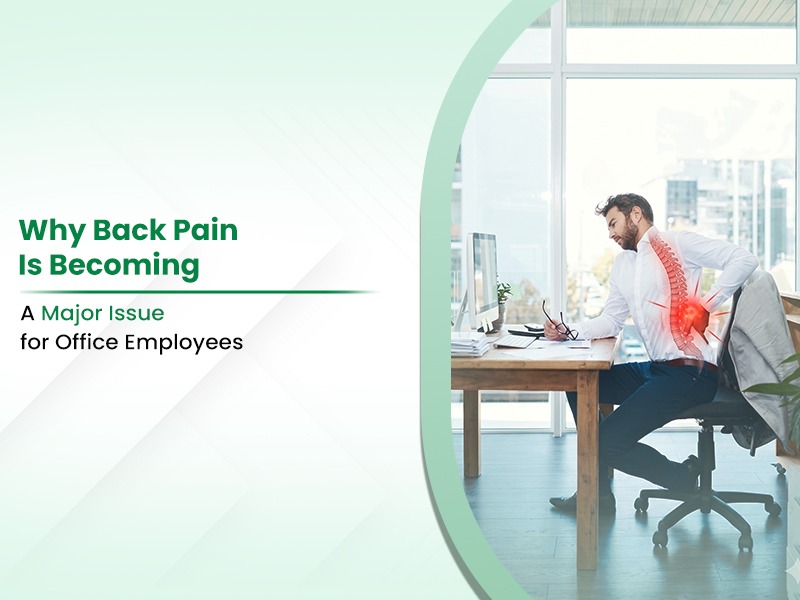
Why Is Back Pain Becoming a Major Issue for Office Employees?
Are you sitting at your desk right now with a dull ache in your lower back? If so, you are not alone. Back pain has become one of the most common health concerns among office employees, largely due to prolonged sitting, poor posture, and increasingly sedentary work routines. Spending long hours at a desk without adequate movement can place excessive strain on the spine and supporting muscles. Over time, this can lead to chronic discomfort, reduced mobility, and even long-term spinal conditions. Fortunately, most cases of work-related back pain can be effectively managed through early diagnosis, lifestyle modifications, physiotherapy, and specialised orthopedic care. If your symptoms persist or worsen, seeking expert medical advice is essential. Consulting specialists at the best orthopedic hospital in Delhi can help identify the root cause of your pain and ensure timely treatment.
Why Is Desk Work Leading To An Epidemic Of Back Pain?
The human body is designed for movement, yet modern office jobs often require employees to remain seated for extended periods. Prolonged sitting places increased pressure on the lower back and spinal discs. Over time, this continuous stress can contribute to muscle weakness, reduced flexibility, poor posture, and chronic back pain.
Studies have shown that sitting for long durations can place significantly more stress on the lumbar spine than standing. Combined with limited physical activity, this can accelerate wear and tear on the spine and surrounding structures.
What Role Do Poor Ergonomics and Posture Play?
Many office workstations are not designed to accommodate individual body mechanics. Improper monitor positioning, inadequate lumbar support, poorly adjusted chairs, and awkward desk layouts can all contribute to musculoskeletal strain.
Common posture-related issues include:
- Forward Head Posture: Leaning forward while working on a computer places additional strain on the neck and upper back. This posture often results in stiffness, headaches, muscle fatigue, and discomfort across the shoulders.
- Slouching: Slouching increases pressure on the spinal discs and ligaments while reducing the effectiveness of the muscles responsible for maintaining proper posture. Over time, this can contribute to chronic back pain and spinal misalignment.
- Inactivity and Muscle Weakness: Extended periods of sitting reduce the activity of the core and gluteal muscles that help support the spine. As these muscles weaken, the back must work harder to maintain stability, increasing the risk of pain and injury.
What Are the Hidden Medical Consequences of Chronic Sitting?
Back pain that begins as a minor inconvenience can sometimes signal an underlying spinal condition. When left untreated, prolonged spinal stress may contribute to a variety of orthopedic disorders.
Disc Herniation and Sciatica
Prolonged poor posture and repetitive spinal stress can contribute to disc herniation, a condition in which the inner portion of a spinal disc protrudes through its outer layer and irritates nearby nerves. This may lead to sciatica, characterised by pain, tingling, numbness, or weakness that radiates down the leg.
Degenerative Disc Disease and Arthritis
Continuous stress on the spine can accelerate age-related wear and tear, leading to degenerative disc disease and spinal arthritis. These conditions often cause stiffness, reduced mobility, and persistent back pain.
Postural Muscle Spasms
When posture is poor, the muscles surrounding the spine must work harder to keep the body upright. This increased workload can result in muscle fatigue, tightness, and painful spasms.
Advanced Medical Solutions for Spinal and Joint Health
When lifestyle changes, ergonomic improvements, and physiotherapy fail to provide adequate relief, specialised orthopedic treatment may be required to address the underlying cause of pain.
Seeking care at the best orthopedics hospital in Greater Noida ensures access to advanced diagnostic technologies and comprehensive treatment options designed to restore spinal health and improve quality of life.
Best Orthopedic Hospital in Indirapuram Utilize Top Protocols to Treat Spinal Disorders:
- Minimally Invasive Spine Surgery: Procedures such as discectomy, laminectomy, and laminoplasty are designed to relieve nerve compression while minimising tissue damage, reducing hospital stays, and supporting faster recovery.
- Computer-Assisted Navigation Systems: Advanced computer-assisted navigation technologies enhance surgical precision and support improved outcomes during complex spinal procedures.
- Robotic-Assisted Joint Replacement: Robotic-assisted procedures help surgeons achieve greater precision, improved implant positioning, and faster recovery in suitable patients with severe joint degeneration.
- Comprehensive Rehabilitation Programs: Modern orthopedic centres provide customised physiotherapy and rehabilitation programmes designed to restore mobility, strengthen supporting muscles, improve posture, and prevent future injuries.
Conclusion: Take Control of Your Spinal Health
Back pain should not be accepted as a normal part of office life. Ignoring persistent discomfort can allow minor issues to progress into more serious spinal conditions that affect your daily activities and overall quality of life.
At Yashoda Medicity, recognised as one of the best orthopedic hospital in Noida options for advanced musculoskeletal care, patients have access to experienced orthopedic specialists, advanced diagnostics, minimally invasive spine procedures, robotic-assisted surgeries, and comprehensive rehabilitation services.
If back pain has become a regular part of your routine, do not delay seeking professional help. Schedule a consultation today and take the first step toward improved spinal health, better mobility, and a pain-free future.
FAQs
Why do office employees commonly experience back pain?
Prolonged sitting, poor posture, inadequate workstation ergonomics, and reduced physical activity place excessive stress on the spine and supporting muscles, increasing the risk of back pain.
When should I consult an orthopedic specialist for back pain?
You should seek medical attention if back pain persists for more than a few weeks, worsens over time, or is accompanied by numbness, tingling, weakness, or difficulty performing daily activities.
Can poor posture cause permanent spinal problems?
Over time, poor posture can contribute to disc degeneration, muscle imbalances, chronic pain, and other spinal conditions if left unaddressed.
How can I prevent back pain while working at a desk?
Maintaining proper posture, using an ergonomic workstation, taking regular movement breaks, stretching frequently, and strengthening core muscles can help reduce the risk of back pain.
Does the best orthopedic hospital in Indirapuram offer treatment for chronic back pain?
Yes. The best orthopedic hospital in Indirapuram provides comprehensive care for chronic back pain, including advanced diagnostics, physiotherapy, pain management, minimally invasive spine procedures, and rehabilitation services.